Anúncios
Walk into any major game studio’s strategy meeting right now and you’ll hear the same three words echoing down the hallway: mobile, mobile, mobile. The companies that once built their empires on 60-hour console epics and PC blockbusters are suddenly obsessed with screens that fit in your pocket. This isn’t a phase or a hedge — it’s a full rewrite of how blockbuster games get designed, funded, and launched.
If you’ve noticed your favorite franchises suddenly sprouting mobile spin-offs, companion apps, or outright portable versions of their flagship titles, you’re watching a deliberate shift in priorities. The question isn’t whether studios should care about mobile anymore — it’s how fast they can get there without breaking what made them great in the first place.
Anúncios
The Audience Math Just Doesn’t Favor Consoles Anymore
Here’s the uncomfortable truth for traditional studios: the global console audience, while passionate and profitable, is dwarfed by the number of people carrying a smartphone. Mobile gaming reaches players who would never drop several hundred dollars on a dedicated gaming rig but happily spend a few bucks on a game they play during their commute.
That reach isn’t just about numbers — it’s about demographic diversity. Mobile players span ages, income levels, regions, and gaming backgrounds in ways console audiences never have. For a studio trying to grow a franchise into a household name, that kind of breadth is irresistible.
Emerging markets are rewriting the rulebook
Regions like Southeast Asia, India, Latin America, and parts of Africa largely skipped the console era entirely. Players there jumped straight from no gaming hardware to powerful phones. If you want to build the next billion-player franchise, those markets aren’t optional — they’re the whole point, and they game on mobile almost exclusively.
Phones Finally Became Real Gaming Machines
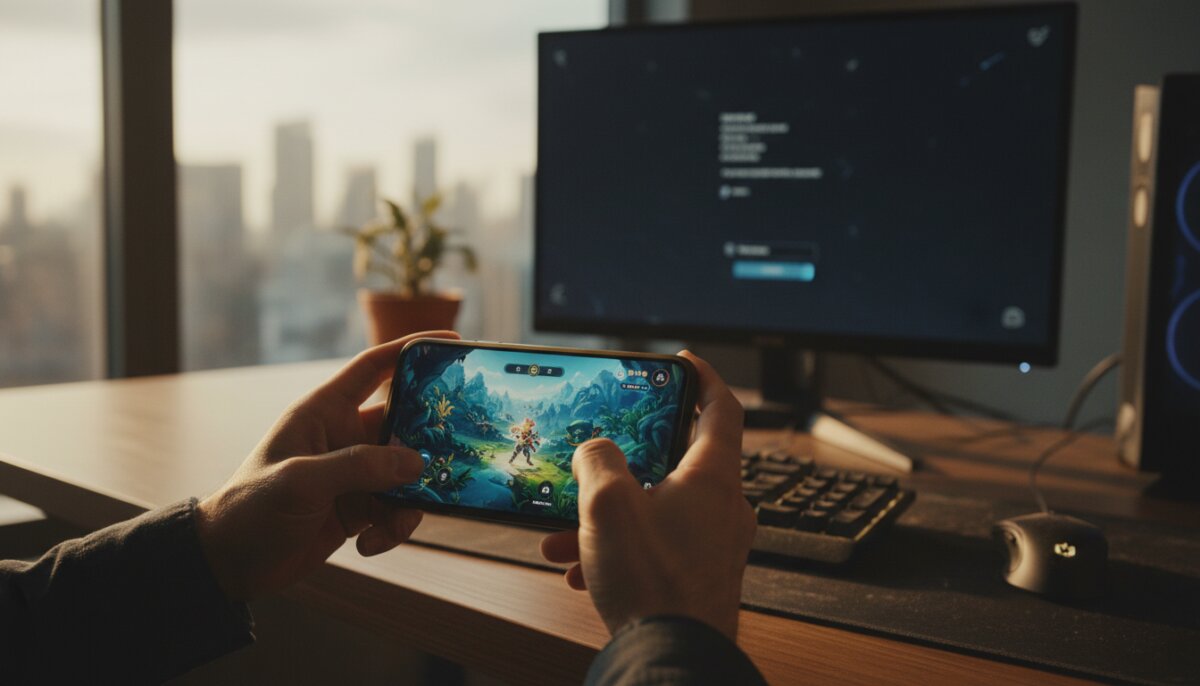
A decade ago, pitching a graphically intense shooter on mobile would have earned you a polite exit from the meeting. Today, flagship phones ship with chips that rival older consoles, high-refresh displays, and thermal designs that can actually sustain real gaming loads. The hardware finally caught up to the ambition.
Add cloud streaming into the mix and the ceiling disappears entirely. A mid-tier phone paired with a decent connection can now run games that would have required a gaming PC just a few years ago. Studios are no longer forced to dumb down their vision to fit mobile — they can bring the full experience along for the ride.
The Revenue Model That Changed Everything
Console and PC games typically earn most of their money in a narrow launch window. You buy the game once, the publisher books the revenue, and after six months sales drop off a cliff unless there’s an expansion or sequel. Mobile flipped that model on its head.
A well-run mobile title keeps generating income for years through live operations — seasonal events, cosmetics, battle passes, and ongoing content drops. The best performers become compounding assets rather than one-time hits. When executives look at lifetime value per player, mobile often looks healthier than traditional releases.
What mobile monetization actually unlocks
- Steady, predictable revenue instead of boom-and-bust launch cycles
- Lower barrier to entry for new players, since most games are free to try
- Constant feedback loops that let teams iterate on what players actually enjoy
- Cross-promotion opportunities between titles within the same studio
- Data-rich environments that inform future design decisions across all platforms
Attention Is the Real Battlefield
Studios aren’t just competing with each other anymore. They’re competing with short-form video, streaming services, social media, and every other app fighting for your screen time. A game that only lives on a console loses that battle before it starts — it’s not even in the room when you’re waiting for coffee or killing ten minutes before a meeting.
Putting a franchise on mobile means showing up in those micro-moments. It’s how a brand stays top of mind, builds habit, and trains players to think of it as part of daily life rather than a weekend-only activity. That habit is worth more than any marketing campaign.
The Strategic Benefits Stacking Up for Studios
When you zoom out, the mobile-first pivot isn’t just about chasing money. It’s a structural advantage that touches almost every part of a studio’s operations, from how they test ideas to how they keep talent engaged.
- Faster iteration cycles — mobile updates can ship in days, not in quarterly patches that have to pass through platform certification gauntlets.
- Broader franchise awareness — a mobile title acts like a living advertisement for the main franchise, pulling in players who might eventually buy the flagship console release.
- Lower production risk per title — mobile projects typically cost a fraction of a AAA console game, so a studio can green-light more bets.
- Built-in community tools — mobile platforms make social features, guilds, and friend invites feel natural rather than tacked on.
- Global launch simplicity — one store, one update pipeline, and a relatively uniform player experience across regions.
Where the Strategy Gets Messy
Going mobile-first sounds great in a boardroom, but the execution is brutal. Studios built around 100-person teams working on a single game for five years don’t magically know how to run a live-service mobile title. The skill sets are different, the production rhythms are different, and the player expectations are different.
The trade-offs studios are wrestling with
Hardcore fans often react badly when a beloved franchise lands on phones — especially if the mobile version leans heavily on monetization that feels aggressive. Balancing what makes a game profitable on mobile with what longtime fans consider fair is genuinely hard.
There’s also the platform tax. App stores take a meaningful cut of every transaction, and that math can quickly erase the margins that looked so attractive on paper. Studios are increasingly exploring alternatives, from web-based storefronts to direct payment flows, to keep more of what they earn.
What This Means for You as a Player
If you mostly game on a console or PC, you might feel like you’re getting less attention from your favorite studios. That’s partly true — resources are being redistributed, and some franchises will land on mobile before they return to their traditional homes. But there’s also an upside worth noticing.
Cross-platform progression is becoming the norm, meaning your main account can follow you between devices. You start a match on your TV, check in during lunch on your phone, and finish the session on your laptop. That kind of continuity used to be a novelty — now it’s an expectation.
Tips for getting the most out of the mobile-first era
- Link your accounts across platforms early so your progress travels with you
- Try the mobile version of a franchise before dismissing it — some are genuinely well designed
- Pay attention to launch windows; mobile titles often debut in specific regions before going global
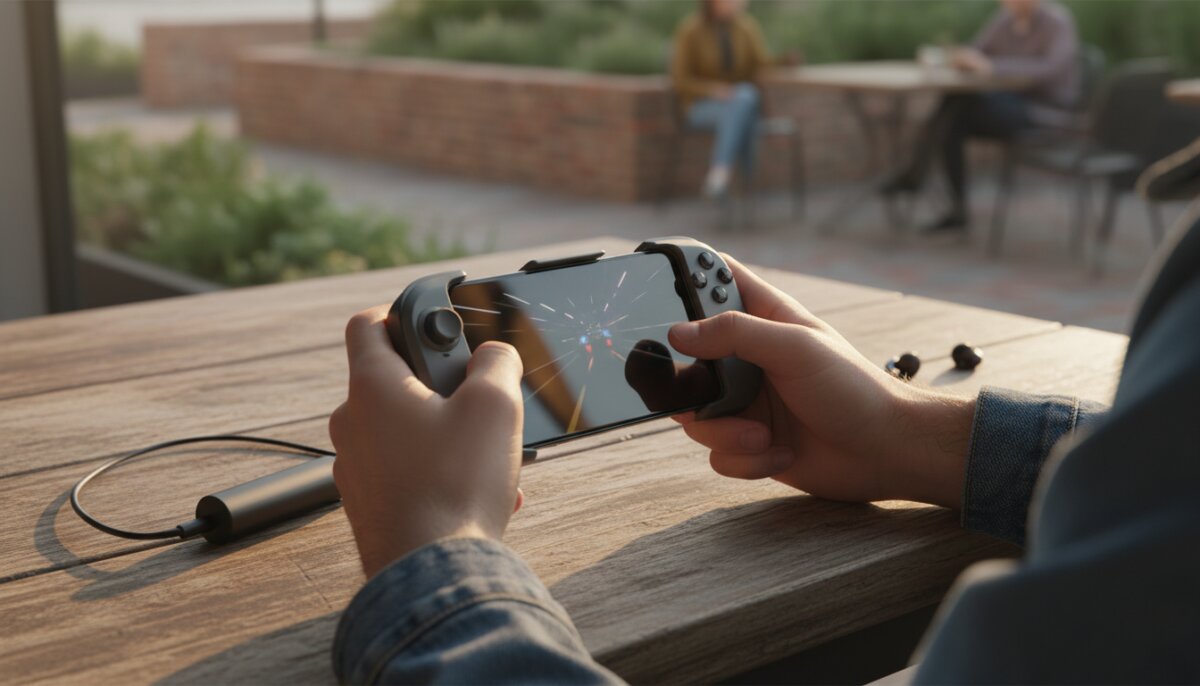
- Use a controller if touch controls aren’t your thing — most serious mobile games now support them
- Check for cloud-save compatibility if you split time between devices
The Bigger Picture Behind the Shift
The mobile-first movement isn’t really about phones. It’s about studios recognizing that the definition of a gamer has changed, and the old playbook of big-box retail releases aimed at a specific demographic no longer reflects reality. The audience grew, diversified, and scattered across devices — so the product strategy has to match.
Expect the line between mobile, console, and PC to keep fading. Future franchises will probably be designed as platform-agnostic ecosystems from day one, with mobile treated as the default entry point rather than the afterthought. The studios that adapt fastest will define what gaming looks like for the next decade.
Takeaways Worth Holding Onto
The reason every major studio is chasing mobile first comes down to simple logic: that’s where the most players are, that’s where the most sustainable revenue lives, and that’s where the next generation of gamers is being formed. Ignoring mobile in the current climate is the same as ignoring where the audience actually spends its time.
For players, this shift means more games, more access, and more flexibility in how you engage with the franchises you love — but it also means paying closer attention to how those games are monetized and structured. For studios, it’s a reinvention challenge that will separate the companies willing to evolve from those clinging to a model that no longer fits the market they’re serving.