Anúncios
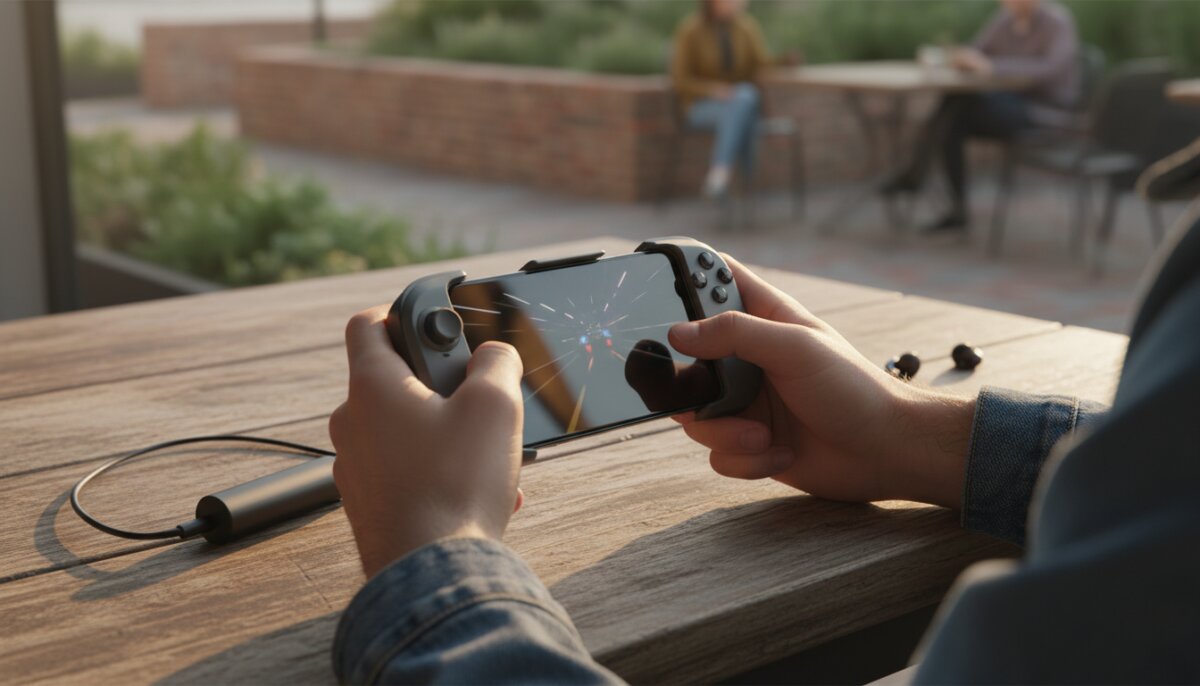
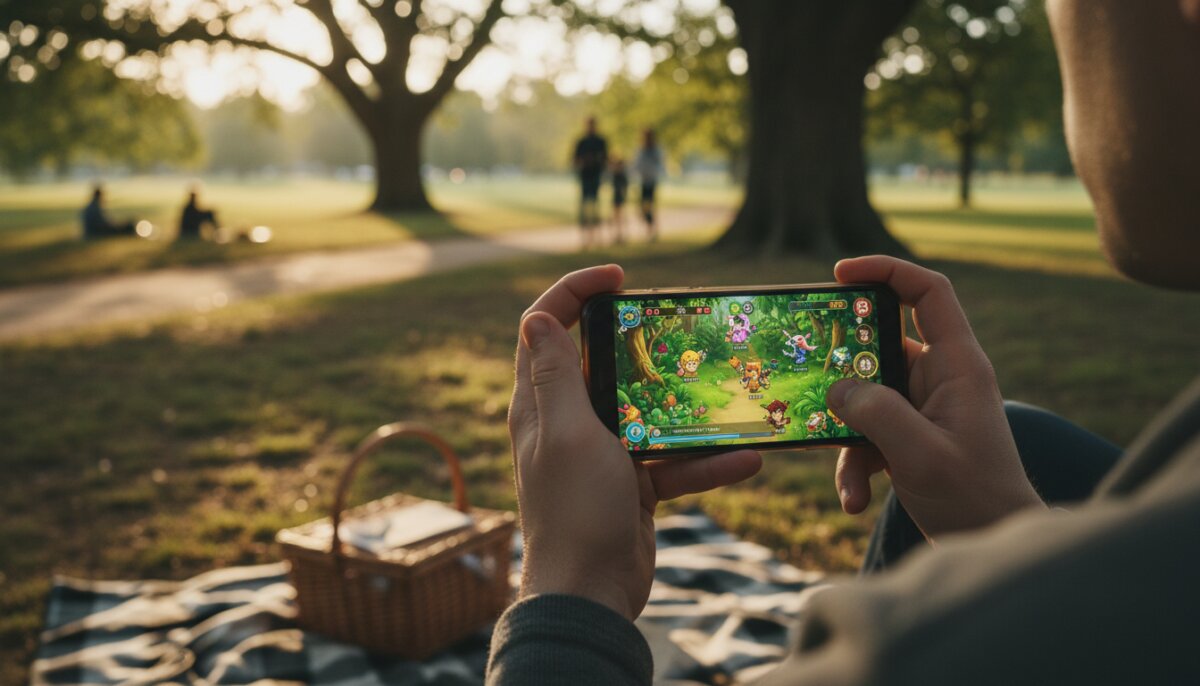
Ask a competitive esports player what they unwind with after a ten-hour practice block, and you’ll rarely hear the name of whatever shooter or MOBA pays their bills. The phone comes out, and something quieter, weirder, or wildly more addictive takes over. Mobile gaming has quietly become the decompression chamber for people who game professionally — streamers, coaches, analysts, and pro players alike.
What they play in those off-hours says a lot about what actually makes a game good when the pressure is off. It’s not always the flashy titles topping the charts. It’s the ones that scratch a specific mental itch without demanding another tournament-level commitment.
Anúncios
Why Pros Gravitate Toward Mobile in Their Downtime
When your job involves staring at a monitor and reacting in milliseconds, the last thing your brain wants after work is more monitor and more milliseconds. Mobile games offer a reset button — something portable, pick-up-and-play, and mentally lighter.
But that doesn’t mean pros are playing mindless tap-fests. The patterns are pretty consistent across the scene, and they tend to fall into a few clear categories.
- Low-commitment sessions that fit into a 15-minute break between scrims
- Puzzle or strategy hooks that exercise a different part of the brain
- Cozy or ambient games that actively lower stress instead of raising it
- Competitive mobile titles for when they genuinely want to compete — just not at work
The Puzzle and Strategy Obsessions
There’s a reason chess apps live on nearly every pro’s phone. When your main game rewards reflexes, your brain starts craving problems you can actually sit with. Turn-based puzzles and strategy games deliver that without draining you.
Chess Apps and Daily Puzzles
Chess has exploded among esports pros for exactly this reason. A daily puzzle takes two minutes. A blitz game takes five. Both sharpen pattern recognition in a way that quietly transfers back to competitive thinking — especially for players in strategy-heavy genres.
Roguelike Deckbuilders
Card-based roguelikes have become a quiet favorite. You can play a single run during a lunch break, lose gracefully, and walk away without feeling like you abandoned a raid. The deckbuilding loop hits the same “just one more run” nerve as ranked play, minus the tilt.
Cozy Games: The Pro’s Secret Weapon Against Tilt
Here’s something the average viewer wouldn’t guess: a lot of hardened competitive players are also running farming sims on their phones between matches. Cozy games have become a legitimate mental health tool in the pro scene.
The appeal is straightforward. After losing a close set, you don’t want another adrenaline spike. You want to water digital crops, decorate a little island, or organize an inventory. It’s not escapism — it’s regulation.
Common picks in this category include life sims, farming games, sticker-book collectors, and low-stakes management titles. They all share a few traits:
- No fail states that punish you harshly
- Soft, predictable progression loops
- Calm audio design — often the single biggest factor
- No matchmaking, no ranked ladder, no toxicity
Rhythm and Reaction Games for Keeping Sharp
On the opposite end, you’ll find pros who use rhythm games as a kind of warm-up tool. Mobile rhythm titles demand precise timing and finger independence, which translates surprisingly well to mechanical skill in other genres.
Fighting game pros in particular have talked about using rhythm games to maintain input precision during travel weeks when they can’t access their main setup. A phone and a good pair of headphones become a portable practice tool.
Why Rhythm Translates to Skill Maintenance
Rhythm games train a specific kind of focus: reading incoming information and responding on exact beats. That’s the same mental muscle used for reacting to animations in fighting games, parrying in action games, or even tracking audio cues in shooters. It’s low-effort cross-training.
Competitive Mobile Titles Pros Actually Respect
Not every pro uses mobile to decompress. Some go looking for fresh competition on a smaller screen, especially in regions where mobile esports are a serious industry. Mobile MOBAs, auto-battlers, and mobile versions of shooters all have real scenes with real prize pools.
What’s interesting is how pros from PC or console backgrounds view these titles. The consensus is usually that the strategic depth can be surprisingly high, even when the mechanical ceiling feels lower due to touch controls.
Pros and Cons of Using Mobile Competitive Games to Unwind
Pros:
- Shorter match times than most PC competitive games
- Easy to play in bed, on a couch, or while traveling
- Fresh metas and unfamiliar characters keep the brain engaged
- Lower emotional stakes than your main game
Cons:
- Can turn into a second job if you get too invested
- Touch controls have a learning curve that frustrates mechanical players
- Some titles lean heavily on monetization, which can sour the experience
- Blue light before sleep is a real problem for performance
Idle Games: The Background Companions
The dark horse of pro downtime is the idle game. These are the titles that progress whether you’re playing or not — you check in, make a few decisions, upgrade something, and close the app. They require almost zero attention but deliver consistent dopamine hits across the day.
For someone whose main game demands total concentration for hours, an idle game is the perfect counterweight. You’re not playing it — you’re visiting it. That small distinction matters a lot when your brain is fried.
How to Build Your Own Pro-Style Mobile Rotation
You don’t need to be signed to an org to benefit from this approach. If you game seriously as a hobby — or if you just want mobile gaming to feel more intentional and less like doomscrolling — here’s a simple way to structure it.
- Pick one brain game. Chess, a puzzle roguelike, or a word game. Something that rewards thinking.
- Pick one cozy game. Your reset button for bad days, lost matches, or stressful mornings.
- Pick one session game. A rhythm title, an auto-battler, or a short competitive mode for when you have 10–20 focused minutes.
- Optional: one idle game. Only if you genuinely enjoy the check-in loop. Skip it if it feels like a chore.
- Delete anything that starts feeling like homework. If you dread opening it, it’s not serving you anymore.
The goal is variety, not a library. Four games you actually rotate through beat twenty you ignore.
Frequently Asked Questions
Do pros really play mobile games, or is that a meme?
It’s very real. Streamers openly play mobile titles on camera between main-game sessions, and team travel schedules make phones the most practical gaming device most weeks of the year.
Does playing mobile games hurt competitive performance?
Not if you’re smart about it. The general rule is to avoid high-stress competitive mobile sessions right before bed or before a match. Cozy and puzzle games, on the other hand, can actively help with decompression and sleep quality.
Are mobile games a legitimate way to train skills?
For certain skills, yes. Pattern recognition, timing, and strategic thinking all transfer reasonably well. Raw aim or mouse mechanics obviously don’t. Think of mobile games as cross-training, not replacement practice.
What the Pros Actually Teach Us About Playing Smart
The real takeaway from how pros use mobile games isn’t a specific title list — it’s a mindset. They treat their downtime as seriously as their practice time. The games they choose serve a purpose: recovery, cross-training, or a change of pace they can’t get from their main discipline.
You can borrow that same logic whether you play competitively or just enjoy gaming after work. Pick titles that leave you feeling better than when you started. Drop the ones that feel like obligations. Match the game to the mood, not the other way around.
That’s the quiet secret behind what pros keep on their phones. It’s not about hidden gems or insider picks. It’s about using mobile gaming with intention — and that’s something anyone with a phone and a few spare minutes can steal for themselves.