Anúncios
Something strange is happening on your phone, your console, and probably your commute. The same people who once swore they only played shooters or open-world epics are now quietly sliding tiles, connecting colored dots, and muttering about a five-letter word they can’t crack before breakfast. Puzzle games, once dismissed as filler for waiting rooms, have clawed their way back to the center of gaming culture.
And this isn’t a nostalgia blip. The genre is evolving, cross-pollinating with strategy, narrative, and even horror, pulling in audiences that would have rolled their eyes at a match-three game a few years ago. So what’s actually fueling this resurgence, and why does solving problems for fun suddenly feel cooler than blasting enemies?
Anúncios
The Cultural Shift Behind the Puzzle Boom
Gaming habits have changed. After years of live-service fatigue, battle passes, and 80-hour campaigns demanding your soul, a lot of players are craving something shorter, smarter, and less emotionally draining. Puzzles offer exactly that: a self-contained challenge you can finish, feel good about, and close.
There’s also the daily ritual effect. When Wordle exploded, it proved that millions of people wanted a tiny, shared brain workout each morning. That single format inspired a wave of spinoffs and quietly legitimized puzzle-solving as a social activity, not a solitary one.
From Time-Killer to Identity
Puzzles used to be what you played because your flight was delayed. Now, your streak matters. Your score gets screenshotted. Your friends compare results in group chats. Puzzle games have become part of how people express curiosity and cleverness online, and that social layer is doing a lot of heavy lifting for the genre.
Why Your Brain Actually Craves Puzzles
Beyond trends, there’s a reason puzzles stick. They scratch a genuine psychological itch. Every time you solve a tricky level, your brain rewards you with a small dopamine hit, the same mechanism behind finishing a crossword or cracking a lock.
Unlike many other genres, puzzles give you clear feedback. You either fit the block or you don’t. You either find the word or you don’t. That clarity is rare and, frankly, refreshing in a world full of ambiguous goals and infinite scroll.
- Short sessions that fit into real life without guilt
- Clear win conditions that feel genuinely satisfying
- Low barrier to entry but deep ceilings for mastery
- Calm pacing that works as a break from stress, not a source of it
- A gentle sense of progression without grinding
The Indie Scene Is Rewriting What a Puzzle Game Can Be
If you still picture puzzle games as colored candies being swapped in rows, you’re about a decade behind. Indie developers have turned the genre into a playground for experimentation, mixing logic challenges with storytelling, philosophy, and unsettling atmosphere.
Titles like Baba Is You flipped the rulebook by letting you edit the rules themselves. The Witness turned an entire island into a meditation on perception. Return of the Obra Dinn married deduction with a haunting mystery. These aren’t just puzzles, they’re arguments for what games can do.
Genre Blending Is the Real Trick
Modern puzzle games rarely stay in their lane. You’ll find puzzle-roguelikes, puzzle-RPGs, puzzle-horror, and narrative adventures where solving a cipher unlocks the next chunk of story. This blending is pulling in players who’d normally skip a pure brain teaser.
Think about how many recent hits lean on puzzle logic even when they’re marketed as something else: detective games, escape-room simulators, cozy farming titles with spatial challenges. The mechanics have quietly infiltrated nearly every corner of gaming.
Mobile, Handhelds, and the Right Tool for the Job
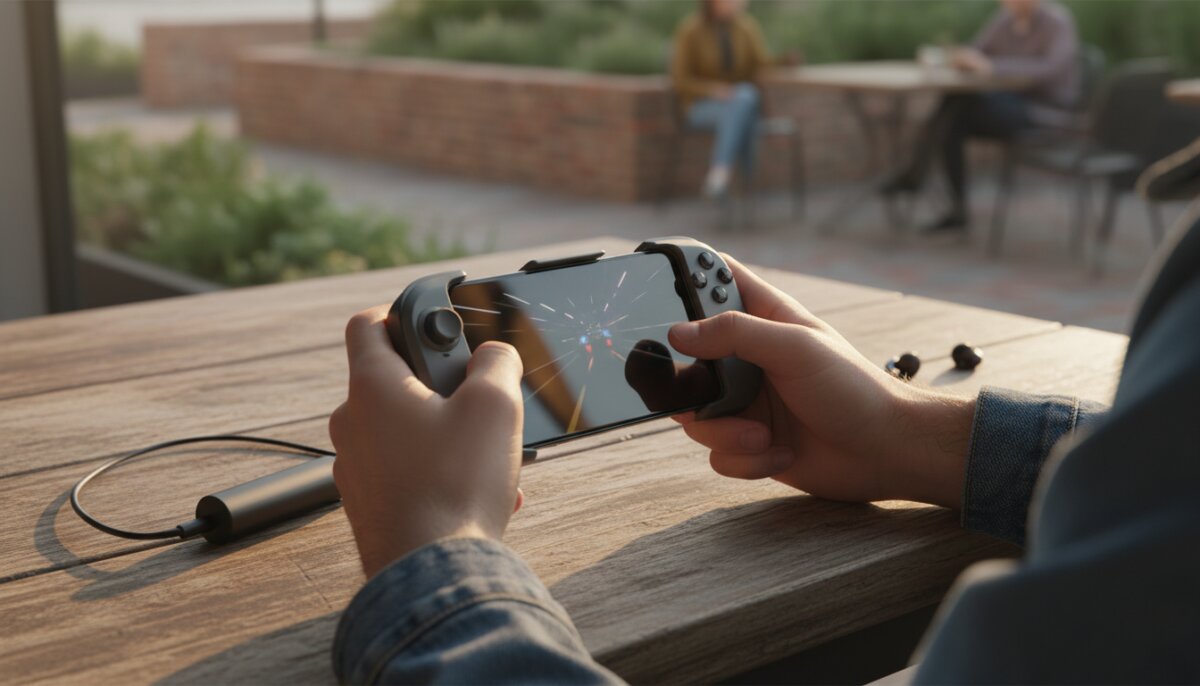
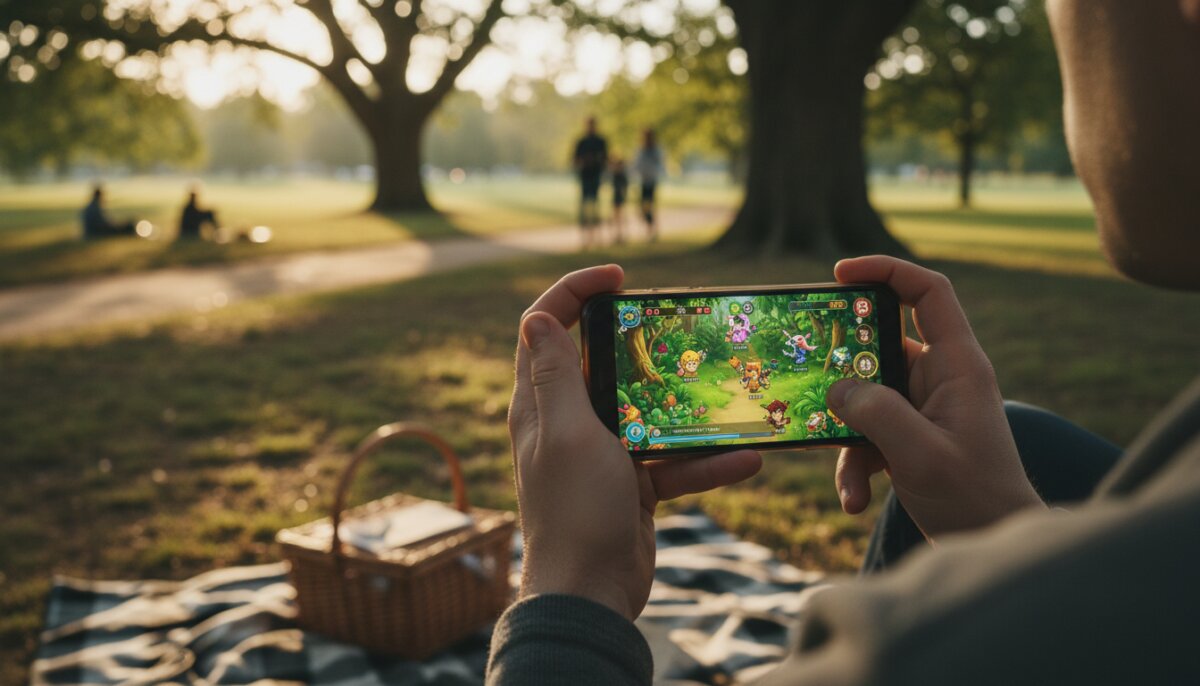
Hardware matters more than people admit. The rise of handheld PCs and the ongoing dominance of phones have made bite-sized play sessions the default. Puzzles thrive in those conditions because they don’t demand a headset, a comfortable couch, and a three-hour block of silence.
You can pause a puzzle mid-move and come back tomorrow. Try doing that in a competitive shooter. This flexibility is exactly why the genre keeps finding new audiences, from parents sneaking in levels during nap time to students squeezing in brain training between classes.
Pros and Cons of the Puzzle Comeback
Every trend has a flip side. The renewed love for puzzles has brought real benefits, but it’s also created a crowded, sometimes messy market.
What the Genre Gets Right
- Encourages patience and deliberate thinking instead of twitch reflexes
- Accessible to players of almost any age or experience level
- Offers meaningful design innovation from small studios
- Supports short, guilt-free sessions that respect your time
- Builds natural communities around shared daily challenges
Where Things Get Rocky
- Mobile storefronts are flooded with ad-stuffed clones chasing the trend
- Predatory monetization can ruin otherwise elegant designs
- Difficulty spikes sometimes punish rather than challenge
- Some games hide clever ideas behind walls of energy timers
How to Spot a Puzzle Game Worth Your Time
With so many options flooding in, picking the good stuff takes a little discernment. Here’s a quick way to separate genuinely great puzzle games from shiny traps.
- Check if the core mechanic teaches you something new as you progress, rather than repeating the same idea with prettier skins.
- Look at how the game handles failure. Great puzzles make losing feel like learning, not punishment.
- Read about the pacing. If reviews mention forced waits, energy systems, or aggressive ads, steer clear.
- See whether the game respects your intelligence. Hints should feel like nudges, not spoilers sold for currency.
- Try the first hour. If you’re still curious and slightly stumped, it’s probably a keeper.
The Social Layer Nobody Saw Coming
Puzzle games used to feel lonely. Now they’re one of the most social genres out there, just in a quieter way. You’re not raiding with a guild, you’re comparing solutions with a coworker or arguing about the best opening guess with your sibling.
Streamers have played a huge part too. Watching someone else wrestle with a tricky logic puzzle turns out to be weirdly compelling. It’s like watching a magician fail, recover, and then pull off the trick. That vicarious problem-solving has introduced entire audiences to games they’d otherwise skip.
Nostalgia Meets New Technology
Part of the comeback is pure sentiment. Millennials who grew up with Tetris, Lemmings, and point-and-click adventures are now the ones buying games, making games, and streaming games. They’re bringing those influences back, but with modern polish and design sensibilities.
At the same time, technology has expanded what puzzles can look and feel like. VR turns spatial reasoning into something physical. Touchscreens make manipulating objects feel intimate. Even simple 2D games now have the animation, sound design, and writing budgets that used to belong to blockbusters.
Common Questions About the Puzzle Revival
Are puzzle games actually good for your brain?
They’re not a miracle cure, but they do exercise pattern recognition, working memory, and lateral thinking. Whether that translates into sharper thinking in daily life is debated, but few people leave a good puzzle session feeling mentally worse.
Is this comeback just a mobile thing?
Not at all. Consoles, PC, and handheld PCs are getting ambitious puzzle releases regularly. Mobile drives volume, but the creative frontier is spread across every platform.
Will the trend fade again?
Puzzles have survived every era of gaming since the beginning. They may dip in visibility, but the core appeal, solving something clever, is too fundamental to disappear. Expect the form to keep evolving rather than vanishing.
What This Comeback Really Means for Players
The return of puzzle games isn’t just about one genre having a moment. It’s a signal that players are rethinking what they want from their time. Shorter sessions, cleaner design, more thinking and less grinding, entertainment that leaves you a little sharper rather than a little emptier.
If you’ve been ignoring the genre, this is the right moment to give it another look. Try a narrative puzzle game, a daily word challenge, or a weird indie logic experiment. You might find that the quiet satisfaction of finally cracking something feels better than any loot drop or killstreak. That’s the real reason puzzles are back, and probably why they’ll stay.