Anúncios
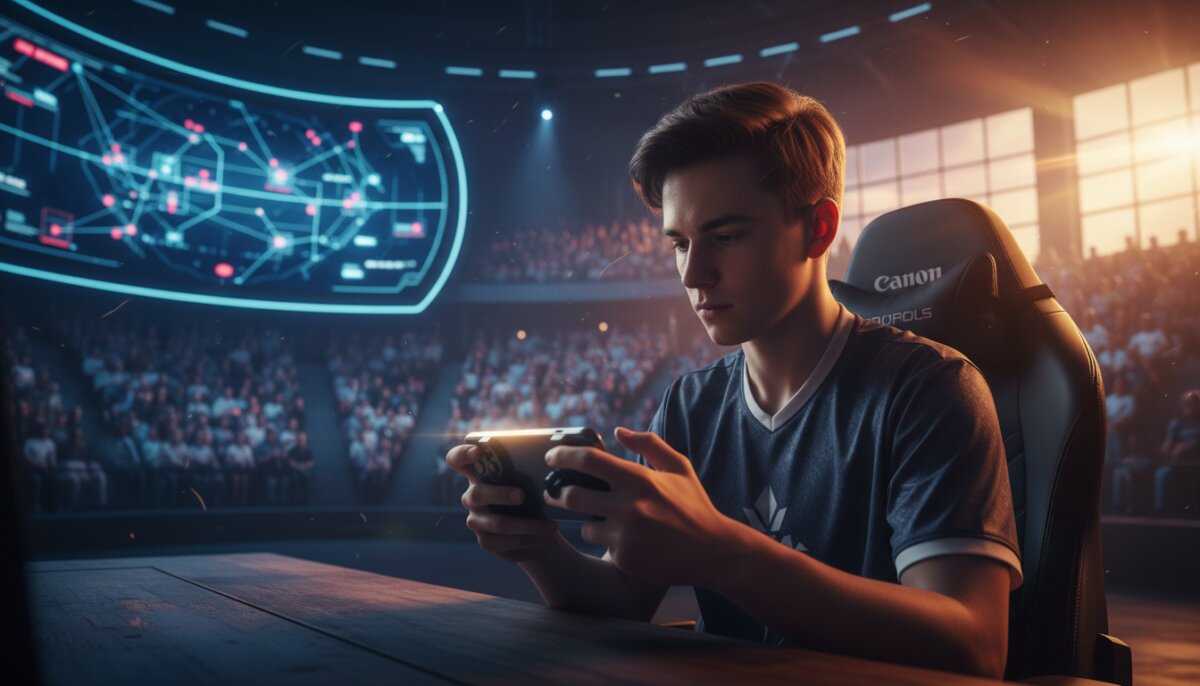
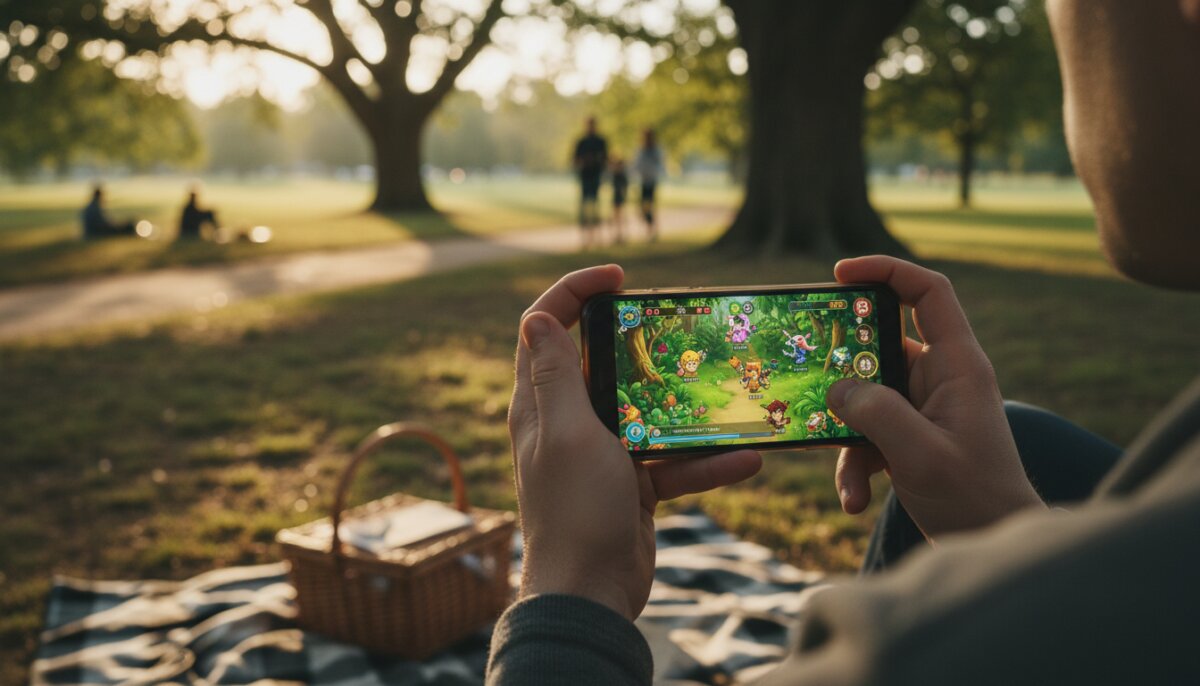
Ten years ago, pulling out your phone to play a “serious” match would have earned you a few raised eyebrows. Today, packed arenas roar for teenagers holding smartphones, prize pools cross seven figures, and entire careers are built on thumb dexterity and tactical genius. Mobile esports didn’t just sneak into the competitive gaming scene — it kicked the door open and rearranged the furniture.
If you still think of mobile gaming as a subway-ride time killer, you’re working with an outdated mental model. The shift from casual tapping to championship-level play reshaped how millions of people earn, compete, and spectate. Let’s break down how we got here, what’s fueling the momentum, and where things seem to be heading.
Anúncios
How Mobile Gaming Outgrew the Casual Label
The early wave of mobile hits — think match-three puzzles and endless runners — trained an enormous audience to expect short, addictive sessions. Developers noticed something interesting in the data: players weren’t just killing time, they were forming habits, joining guilds, and spending hours optimizing builds.
Once smartphones became powerful enough to handle complex 3D graphics and responsive touch controls, studios saw an opening. Titles with genuine skill ceilings started arriving, and suddenly a platform dismissed as “lite” could host games demanding reflexes, positioning, and team coordination comparable to PC counterparts.
The Hardware Leap That Changed Everything
Modern flagship phones pack processors that rival last-generation laptops. High refresh-rate displays, low-latency touch sampling, and dedicated gaming modes give competitors the tools they need to play at a serious level. Add cloud saves, cross-platform accounts, and 5G connectivity, and the gap between mobile and traditional esports shrinks even further.
The Games That Built a Competitive Scene
A handful of titles carried mobile esports from curiosity to stadium-filler status. Each one proved something different — whether it was mass accessibility, deep strategy, or the raw mechanical skill ceiling needed to sustain a pro scene.
- MOBAs like Mobile Legends: Bang Bang and Honor of Kings showed that five-on-five strategy translates beautifully to touch controls, especially in Southeast Asia and China.
- Battle royales such as PUBG Mobile and Free Fire turned short matches into high-stakes spectacles, drawing massive audiences in South America, South Asia, and the Middle East.
- Auto-battlers and card games like Clash Royale gave competitive players bite-sized matches with deep meta-game layers.
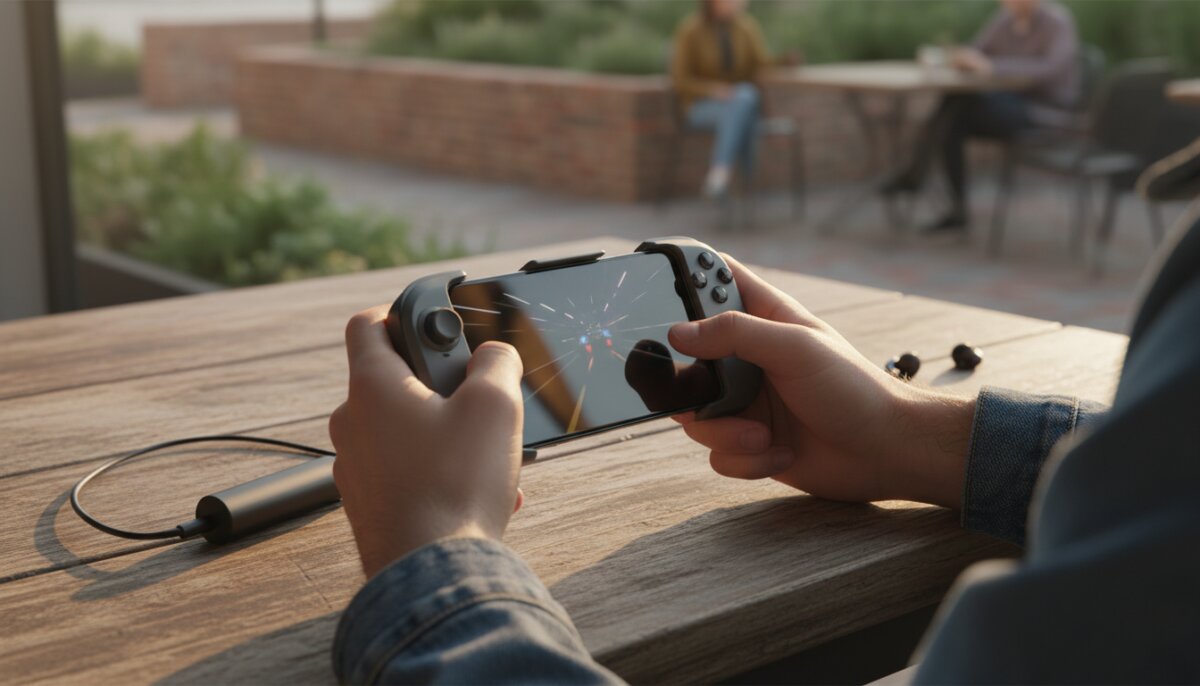
- Shooters including Call of Duty: Mobile proved that console-style gunplay can work on a touchscreen — or with a controller clipped to your phone.
Each of these scenes developed regional strongholds rather than a single global epicenter. That’s one of the most fascinating traits of mobile esports: the map of dominant regions looks nothing like the traditional PC esports map.
Why Mobile Esports Exploded Where PC Didn’t
In many parts of the world, a gaming PC is a luxury. A smartphone, on the other hand, is a daily necessity. That single accessibility factor rewrote who could compete at the highest level.
A talented 17-year-old in Jakarta, Lagos, São Paulo, or Karachi can grind ranked matches on the same device they use to message friends. No rig, no expensive peripherals, no dedicated room — just a phone, a stable connection, and a lot of practice. That’s a recruiting pool PC esports simply can’t match.
The Economics Behind the Boom
Publishers figured out early that mobile audiences convert differently than PC ones. Free-to-play entry, cosmetic monetization, and seasonal battle passes fund constant content drops. A healthy live-service game translates directly into a healthy competitive ecosystem because the publisher has every reason to sponsor leagues and tournaments.
Sponsors followed. Telecom companies, energy drinks, snack brands, and phone manufacturers recognized that mobile esports audiences skew young, engaged, and deeply loyal to their favorite teams and streamers.
What It Actually Takes to Go Pro
Going from ranked grinder to salaried pro isn’t a casual leap. The skill required at the top is genuinely intense, and the competition is brutal because the player pool is so enormous.
- Master one game deeply. Specialists beat generalists. Pick a title with an active competitive circuit and commit to it.
- Climb the ranked ladder publicly. Visibility matters. Top-tier rank on a tracked account is your résumé.
- Build a content presence. Streaming or posting gameplay highlights helps scouts, sponsors, and fans find you.
- Join amateur tournaments. Local and online events are where scrim partners, coaches, and team owners notice raw talent.
- Optimize your setup. A high-refresh phone, a cooling accessory, a reliable connection, and properly tuned control layouts make a real difference.
- Treat it like a sport. Sleep, posture, hand care, and mental conditioning separate players who burn out from players who last.
One detail many newcomers underestimate: hand and wrist health. Thumb-heavy input over long sessions causes real injuries. Pros stretch, take breaks, and sometimes switch between claw grip and thumb grip to distribute strain.
The Viewer Experience: Built for Vertical Screens
Mobile esports broadcasts have adapted to how their audience actually watches. A huge share of viewers tune in on the same device they play on, which pushed producers toward cleaner HUDs, sharper camera work, and shorter match formats that fit commute-length viewing windows.
Streaming platforms in different regions shape the scene too. In some markets, local platforms dominate viewership in ways that don’t show up in Western analytics. That’s part of why mobile esports can feel “invisible” to Western audiences while drawing stadium crowds elsewhere.
Pros and Cons of the Mobile Competitive Path
The Upside
- Extremely low barrier to entry compared with PC or console esports.
- Huge, diverse talent pools across multiple continents.
- Active publisher support with regular tournaments and structured leagues.
- Fast-paced match formats that suit modern viewing habits.
- Strong brand sponsorship interest in a young, mobile-first demographic.
The Downside
- Competition is fierce because so many people can play.
- Device heat, battery degradation, and notifications can disrupt performance.
- Some regions still treat mobile esports as less legitimate than PC esports.
- Career lifespans can be short due to fast-evolving metas and physical strain.
- Game balance and publisher decisions affect careers more directly than in some PC titles.
Common Questions From New Competitors
Do I need the most expensive phone to compete?
Not the most expensive, but you do need one capable of stable high frame rates in your chosen game. Mid-range gaming-focused phones often perform as well as flagships for competitive titles, thanks to better thermal designs.
Are controllers allowed?
It depends entirely on the title and the tournament. Some competitive circuits strictly enforce touch-only play to keep the field even, while others allow specific peripherals. Check the ruleset before investing in accessories.
Is mobile esports a real career?
For a small percentage of players, absolutely. Salaries, prize winnings, streaming income, and sponsorships can add up. For most, it’s better treated as a serious hobby with upside — the same way you’d approach traditional sports.
Which region is best for a mobile esports career?
That depends on your game. MOBA scenes are strongest across Southeast Asia. Battle royale scenes thrive in South Asia, the Middle East, and parts of Latin America. Research where the top teams and events for your chosen title actually live.
Where the Scene Goes From Here
Several trends are quietly reshaping the next chapter. Cross-platform play is blurring the line between phone, PC, and console competitors. Publishers are experimenting with franchised leagues that guarantee team revenue and long-term stability. And cloud gaming could eventually let players compete in PC-grade titles from whatever device they’re holding.
Expect more crossover events, more global circuits that feed into unified world championships, and more investment from traditional sports organizations looking for a piece of the young mobile audience. The scene is still maturing, and that’s exactly what makes this period interesting for players and fans alike.
Takeaways Worth Remembering
Mobile esports isn’t a watered-down version of competitive gaming — it’s a parallel universe with its own stars, strategies, and cultural weight. The combination of accessible hardware, deep games, and massive regional audiences built an ecosystem that’s only getting stronger.
Whether you’re a player eyeing the ranked ladder, a viewer curious about the hype, or just someone who used to roll their eyes at “phone gamers,” the scene has earned a closer look. The device in your pocket is a legitimate competitive platform now, and the people treating it that way are building real careers on tiny screens.