Anúncios
Scroll through your phone’s app store today and you’ll spot game categories that would have looked completely alien back in 2019. Entire playstyles have exploded out of nowhere, reshaping what people expect from a quick session on the bus or a lazy Sunday afternoon. Some of these genres borrowed ideas from PC and console, some mutated from TikTok trends, and a few feel like they were engineered in a lab to hijack your attention span.
If you’ve felt like mobile gaming suddenly got weirder, deeper, and way more addictive, you’re not imagining it. Let’s look at the genres that went from near-zero to everywhere, and why they took over so quickly.
Anúncios
Survivor-Likes: The One-Thumb Bullet Heaven
A few years ago, the idea of a game where you barely press anything while hundreds of enemies explode into loot would have sounded lazy. Then Vampire Survivors happened on PC, and mobile developers saw a goldmine waiting to be shrunk down to a 6-inch screen.
Now you have entire storefront sections filled with auto-attacking, wave-surviving, stat-stacking roguelites. They’re perfect for phones because they only need a thumb, a virtual joystick, and your dopamine receptors. Runs last 15 to 30 minutes, which fits commutes and lunch breaks better than most traditional genres.
Why they blew up on mobile
- Simple controls that don’t fight touchscreens
- Short, repeatable runs that fit into small time windows
- Number-go-up progression that pairs beautifully with meta-upgrades
- Cheap to develop, which means a flood of variations and themes
Expect this genre to keep splintering. Fantasy, sci-fi, anime, zombie, cute pixel-art — if it moves and drops XP gems, someone’s already building it.
Hybrid-Casual: The Genre That Ate Hyper-Casual
Remember when every other ad was a one-tap game where you slid a log across a pit or stacked blocks? Those hyper-casual titles made billions on ad revenue but burned out fast because players dropped them within days. Studios pivoted hard, and hybrid-casual emerged as the compromise.
These games keep the snackable, one-hand feel of hyper-casual but bolt on deeper systems: meta-progression, collection mechanics, light RPG elements, or base-building. You get the instant hook, then a reason to come back tomorrow.
What a hybrid-casual game usually looks like
- A core loop you understand in 15 seconds
- A home screen with upgrades, chests, or collectibles
- Short daily goals designed to pull you back
- Monetization split between ads and light in-app purchases
If you’ve downloaded anything involving merging, sorting, or tiny characters running a shop lately, you’ve already seen the formula in action.
Merge Games as a Full-Blown Category
Merge mechanics existed before, but they were usually a side feature. Somewhere along the way, merging became its own genre — and a wildly profitable one. The loop is primal: combine two identical things to make a better thing, repeat forever.
You’ll find merge puzzlers with story layers, merge decorators where you refurbish mansions, merge RPGs where you build armies of fused units, and merge simulations disguised as gardening or cooking. It’s one mechanic wearing a hundred costumes.
The reason it works on phones is obvious once you try it: merging is satisfying, tactile, and forgiving. You can’t really fail. You just accumulate.
Serious Cross-Platform Shooters and MMOs
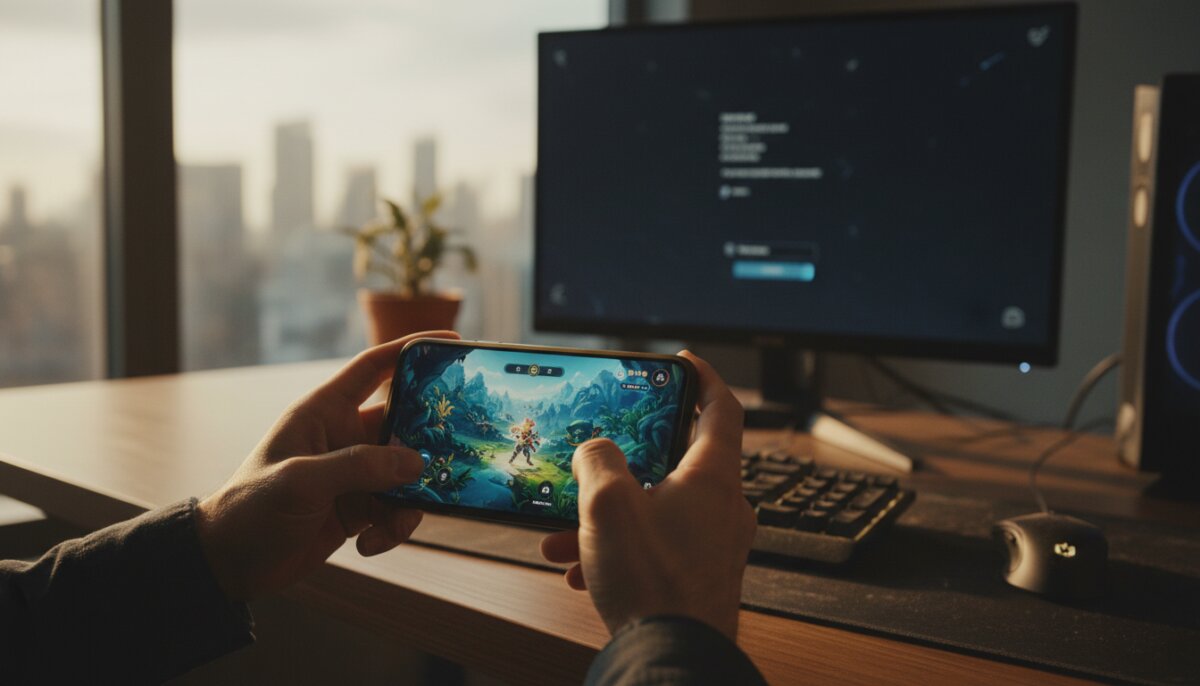
The line between mobile games and “real” games used to be a canyon. That gap has closed faster than anyone expected, with full-scale shooters, extraction games, and open-world RPGs now running on phones with shared progress across PC and console.
Titles built around cross-play have changed how players think about mobile. It’s no longer the throwaway version — it’s the travel version. You can sink in an hour from your couch on PC, then keep grinding the same account on your phone in a waiting room.
What makes this shift possible
- Modern phone chips that rival last-gen consoles in raw power
- Cloud saves and unified accounts across platforms
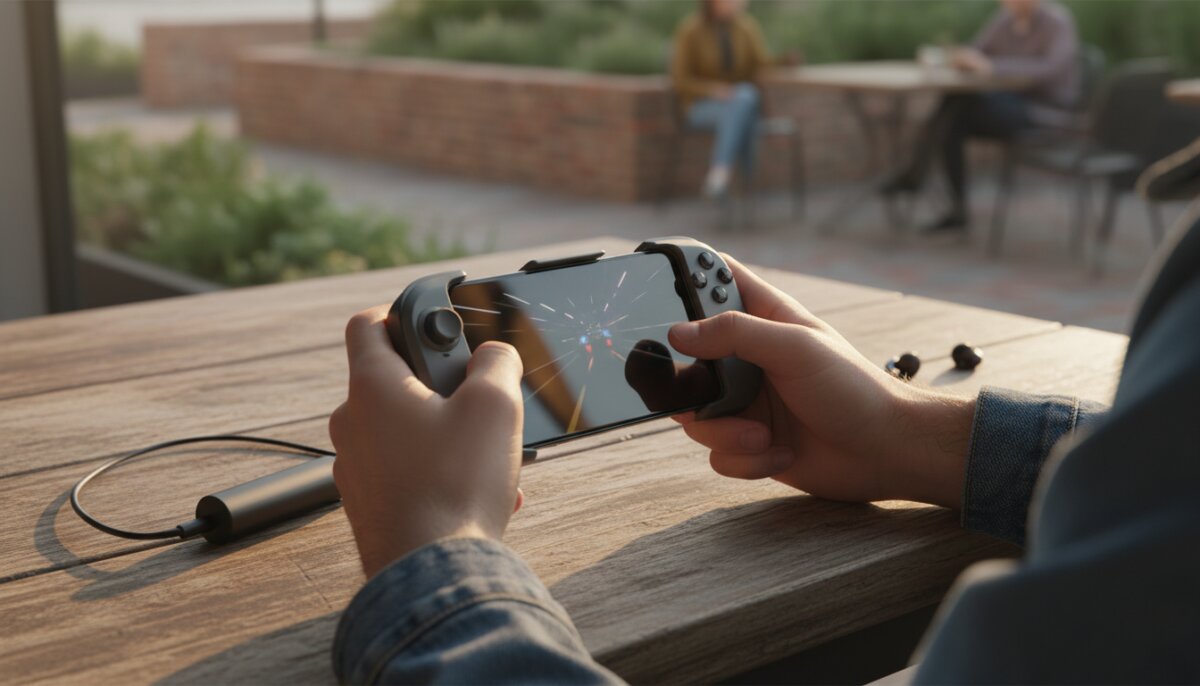
- Better controller support built into mobile operating systems
- 5G and Wi-Fi 6 making multiplayer actually playable on the go
A genre like cross-platform competitive shooter barely registered on mobile before. Now it’s one of the most-played categories in many regions.
Narrative and Interactive Fiction Reboots
Choose-your-own-adventure apps have existed forever, but the genre went through a quiet revolution. Instead of static text with a portrait, you now get animated visual novels, voice-acted branching dramas, and interactive stories that lean heavily on cinematic presentation.
A big chunk of this boom came from short-form video culture. Studios realized that the same audience binge-watching vertical dramas would happily tap through episodic romance, thriller, or mystery stories on their phone. Monetization moved toward unlocking chapters or premium outfits rather than bashing you with ads.
Cozy Games Find Their Phone Home
Cozy gaming exploded during the pandemic on consoles, and the vibe eventually found its way to mobile in a serious way. These are low-pressure games about decorating, farming, fishing, crafting, or just hanging out with little animal characters.
What’s new is the craft. Cozy mobile games used to feel like knockoffs draped in aggressive ads. The newer wave treats the genre with real respect — thoughtful art direction, calming soundtracks, no pressure timers, and gentler monetization.
Signs you’re playing a modern cozy mobile game
- No fail states or hostile difficulty spikes
- Lots of customization and self-expression
- Soft color palettes and ambient music
- Progress that respects your pace instead of demanding daily logins
Idle and Incremental Games Get Ambitious
Idle games aren’t new, but the genre has grown up. Early idlers were basically cookie-clickers with prestige systems. The current generation blends idle mechanics with gacha collecting, auto-battlers, tower defense, and even 3D action combat.
The appeal is the same as always — progress happens while you sleep — but the production values have jumped. You’re no longer staring at spreadsheets. You’re watching flashy heroes auto-clear stages while you decide which upgrade path to chase.
Party Royales and Social Hangout Games
Battle royale was the dominant multiplayer genre on mobile for years, but something softer has carved out a huge space next to it: party royale and social hangout games. Think obstacle courses, mini-game collections, and goofy physics-based competitions you can play with strangers or friends.
These games lean into personality. Cosmetics, emotes, and silly animations matter more than skill ceilings. They’re especially popular with younger players who treat them less like competitions and more like digital playgrounds.
Deckbuilders and Roguelike Hybrids
The card-based roguelike genre, kicked off in earnest by PC hits, translated to mobile beautifully. Turn-based, menu-driven, and perfect for short bursts, deckbuilders feel like they were designed for touchscreens even though most started elsewhere.
Now you can find deckbuilding layered onto dungeon crawlers, city builders, visual novels, and even fitness apps. The core loop — draft, build a synergy, run, die, try again — is endlessly adaptable.
What This Shift Means for You as a Player
The mobile store isn’t just bigger — it’s more varied than it’s ever been. You have real options whether you want something quiet, competitive, story-driven, or brain-off. The trick is learning to spot the genre signals quickly so you don’t waste a download.
Quick tips for picking a game that actually suits you
- Watch 30 seconds of gameplay footage, not the cinematic trailer
- Check what the first 10 minutes look like in reviews — that’s usually the whole experience
- Look at monetization complaints before you get invested
- Ask yourself if you want a game for five-minute breaks or five-hour weekends
Where Mobile Gaming Goes From Here
Five years ago, mobile was mostly match-three puzzles, a handful of shooters, and whatever was trending on ad networks. Today it’s a genuine platform with its own breakout genres, its own design language, and its own superstars. Survivor-likes, hybrid-casual, merge games, cozy titles, and full cross-platform experiences all claim real estate that didn’t exist before.
The takeaway is simple: if you bounced off mobile gaming a while back because everything felt shallow or predatory, the lineup has changed more than you think. Poke around the new categories, try a genre you’ve never heard of, and you’ll probably find something that sticks. Your phone’s game library is no longer a consolation prize — it’s a full shelf, and it keeps getting stranger in the best possible way.