Anúncios
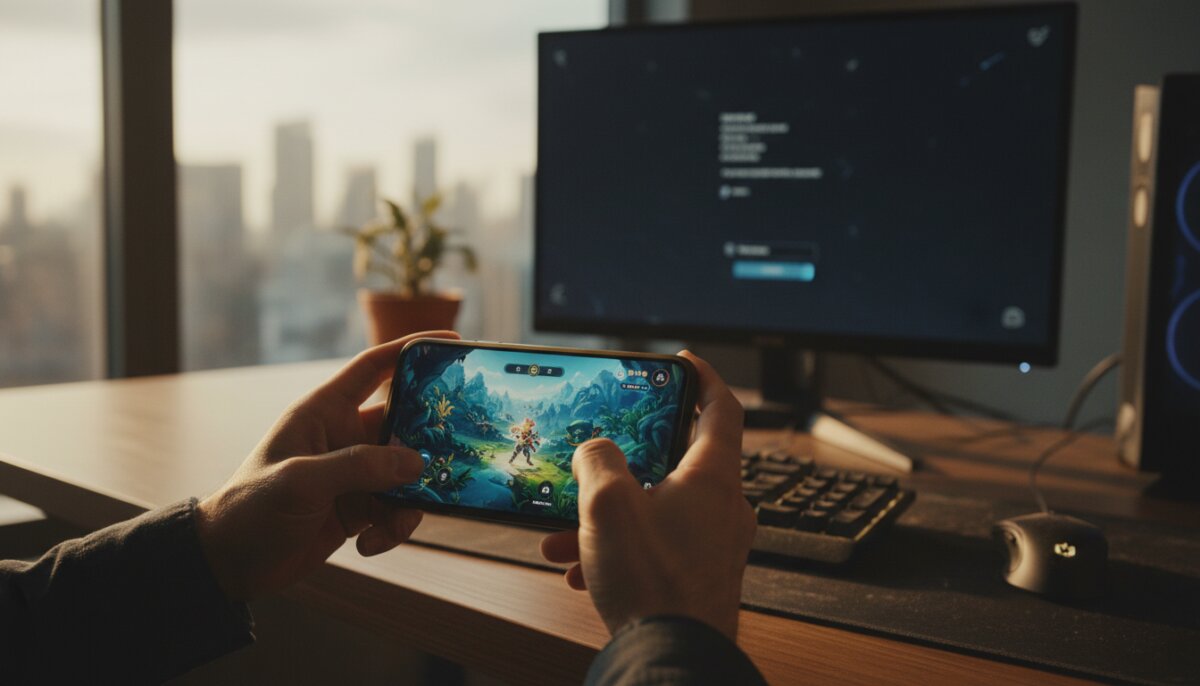
Picture this: your friend is sprawled on the couch with a PlayStation controller, another is hunched over a gaming PC in a different time zone, and you’re waiting for a bus with nothing but your phone. A few years ago, that scenario meant three separate games and zero shared fun. Now, all three of you can drop into the same match, trash-talk in the same voice chat, and argue about who got the kill. That shift is quietly rewriting the rules of gaming, and the device winning the most ground might surprise you.
Cross-platform play used to feel like a distant promise whispered at industry conferences. Today it’s baked into the biggest titles on the planet, and the phone in your pocket is pulling ahead in ways console purists didn’t see coming.
Anúncios
Why Cross-Play Took So Long to Arrive
The technology to let different platforms talk to each other has existed for years. The holdup was never really technical — it was political. Platform holders wanted to keep players locked inside their ecosystems, because every minute you spend on their hardware is a minute closer to another subscription renewal or digital purchase.
Once a few massive games proved that shared player pools grow revenue instead of cannibalizing it, the walls started crumbling. Publishers realized that a player who can’t join their friends often just stops playing altogether. Keeping communities fragmented was actively costing everyone money.
The Turning Point
When battle royale titles started pulling in hundreds of millions of players across every device imaginable, the business case became impossible to ignore. Suddenly, letting a Switch player team up with a PC player wasn’t a threat — it was the whole product. The domino effect has reached shooters, fighters, sports games, MMOs, and even cozy farming sims.
How Mobile Quietly Became the Dominant Platform
If you only pay attention to console marketing, you’d think gaming lives and dies on a 65-inch TV. The numbers tell a very different story. Mobile has been the largest slice of the global gaming market for years, and cross-play is finally letting that audience flex its weight inside traditionally “hardcore” genres.
Here’s what mobile brings to the table that consoles and PCs struggle to match:
- Reach: billions of devices already in circulation, no extra purchase required
- Accessibility: a quick match during lunch, a commute, or five minutes before bed
- Low barrier to entry: most competitive mobile titles are free to download
- Social glue: the phone is already where your group chats and invites live
- Constant connectivity: always online, always ready, no boot-up ritual
None of that is new, but cross-play amplifies every one of these advantages. A mobile player isn’t stuck in a walled-off version of a game anymore. They’re in the same lobby as the person streaming on a high-end PC.
What Changes When Everyone Plays Together
The second you merge player pools, the design of a game has to shift. Matchmaking gets smarter, queue times shrink, and developers start thinking about fairness in ways they never had to before. That’s both exciting and complicated.
Input-Based Matchmaking
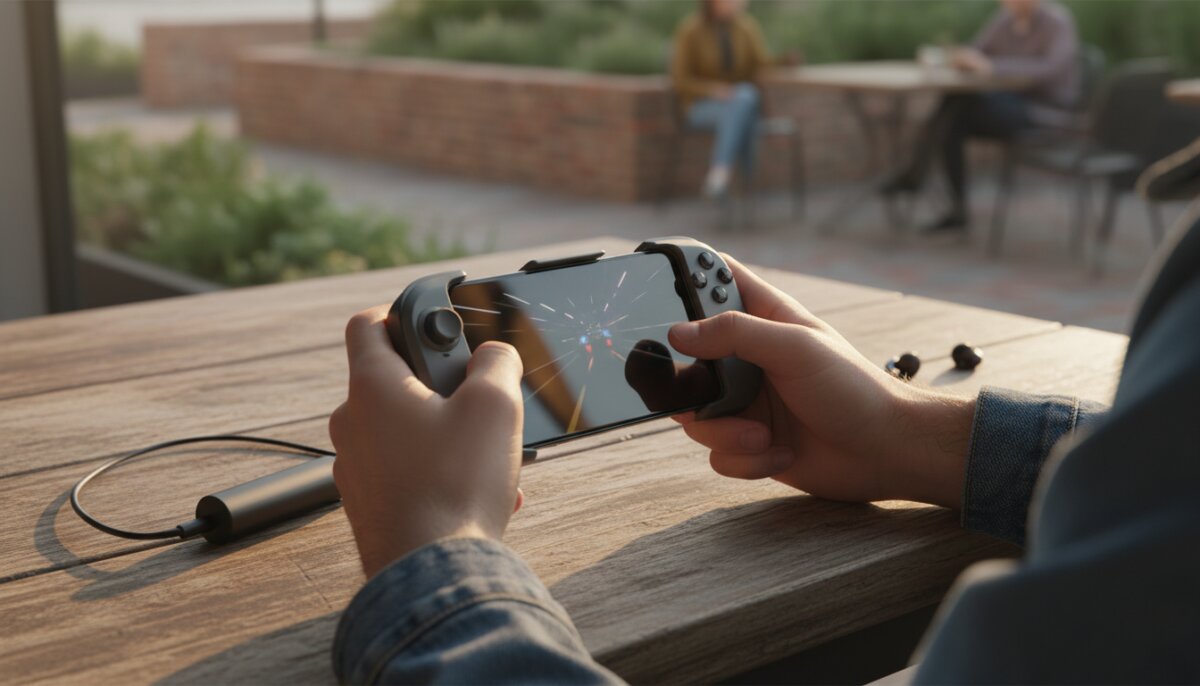
Modern cross-play games often sort players by input device rather than platform. Touchscreen users queue with touchscreen users. Controller users sit in their own bucket, whether they’re on a console or a phone with a clip-on gamepad. This keeps aim-assist debates from burning down the community and makes the experience feel more balanced than a raw platform split would.
Progression That Follows You
Cross-progression is the quiet cousin of cross-play, and it’s arguably more important. Your skins, ranks, friends list, and currency travel with your account. You can grind a battle pass on your phone during the day and pick up the exact same progress on your console at night. That convenience is sticky in a way that single-platform progression never could be.
The Pros and Cons for Players
Cross-play sounds like a clean win, but anyone who’s spent time in competitive lobbies knows it comes with trade-offs.
The Upsides
- You can actually play with your friends regardless of what they own
- Matchmaking fills faster, even for niche game modes
- Games have longer lifespans because communities don’t splinter
- Your progress and purchases aren’t trapped on one device
- Smaller platforms get access to the full player base
The Downsides
- Balancing different inputs is genuinely hard and never perfectly fair
- Cheating on one platform can spill into everyone’s experience
- Voice chat across ecosystems is still clunky in many titles
- Performance gaps between a flagship phone and a budget one can be huge
- Some players feel pressured into buying extra accessories to stay competitive
Why Mobile Is Winning the Long Game
“Winning” doesn’t mean mobile offers the prettiest graphics or the most precise controls. It means mobile is becoming the default entry point for entire generations of new players. When a kid gets pulled into a massive multiplayer game, odds are they’re starting on a phone or a tablet, not a thousand-dollar setup.
Once cross-play exists, that kid never has to “graduate” to another platform. They can play with older siblings on console, cousins on PC, and classmates on whatever device they happen to have. The phone stops being the lesser option and starts being the glue that holds the whole friend group together.
Hardware Is Catching Up Fast
Flagship phones now pack cooling systems, high-refresh-rate screens, and chips that would have embarrassed a mid-range laptop not long ago. Controller support is standard. Cloud gaming services fill in the gaps when local hardware isn’t enough. The gap between “mobile experience” and “real gaming” keeps narrowing every year.
The Business Model Favors Phones
Free-to-play with cosmetic monetization works beautifully on mobile. Players spend small amounts often instead of sixty or seventy dollars upfront. That model funds live-service games with constant updates, which in turn keeps cross-play communities thriving. Console and PC are increasingly adopting the mobile playbook, not the other way around.
Tips for Getting the Most Out of Cross-Play
If you’re jumping between devices or playing with friends on different platforms, a little setup goes a long way.
- Link your accounts early. Most games use a publisher account that ties all your platforms together — create it before you sink hours into progression you can’t transfer
- Check your matchmaking settings. Some titles let you restrict lobbies to your input type if you’re tired of getting outgunned by mouse users
- Invest in a phone controller if you play shooters or platformers on mobile regularly. It closes the skill gap immediately
- Use a headset with a reliable mic. Cross-platform voice chat often defaults to the lowest-quality option available
- Keep your game updated on every device. Cross-play frequently breaks when versions don’t match
Quick Answers to Common Questions
Does cross-play mean I can play any game with anyone?
Not quite. Each game decides whether to support it and which platforms to include. Some titles allow full cross-play between every device, others limit it to certain combinations, and a handful still keep their player base separated for competitive or technical reasons.
Is it fair for mobile players to face controller or mouse users?
It depends entirely on the game. Well-designed cross-play titles separate lobbies by input method or tune aim assist to level the field. In games that don’t, mobile players at the top level often still find ways to compete — but casual lobbies can feel lopsided.
Will my purchases carry over between platforms?
Cosmetic items and in-game currency usually do, as long as you’re signed into the same publisher account. Paid games themselves typically don’t — buying a title on one platform rarely unlocks it on another.
The Bigger Shift Worth Watching
Cross-play isn’t just a feature anymore. It’s becoming the expectation, and that expectation is dragging the entire industry toward a more open, player-friendly future. The console wars aren’t over, but they matter a lot less when the game on the screen is the same one your friends are playing on their phones.
Mobile’s quiet victory isn’t about dethroning other platforms. It’s about becoming the connective tissue that lets every platform matter more. The best device for gaming is no longer the most powerful one — it’s the one your friends are on, and increasingly, that’s the one already in your pocket.