Anúncios
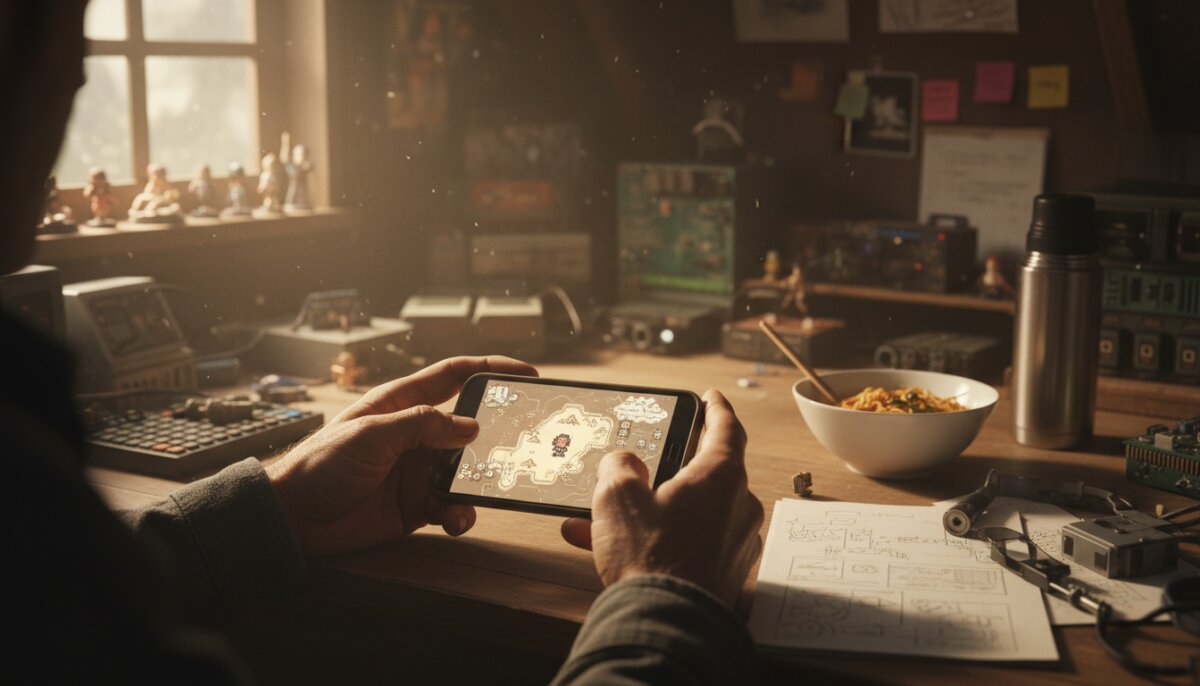
Remember tapping colorful candies on a cracked iPhone 4 during your morning commute? That simple swipe-and-match ritual represented the peak of mobile gaming just over a decade ago. Fast forward to now, and you can explore a painterly open world, battle elemental bosses with cinematic flair, and coordinate multiplayer raids — all from the same device sitting in your pocket. The leap from Candy Crush Saga to Genshin Impact isn’t just a story about better graphics; it’s a complete rewiring of what “mobile game” even means.
The Casual Revolution That Started It All
When King released Candy Crush Saga in 2012, it didn’t just launch a game — it validated an entire business model. Free to play, endlessly replayable, and designed around short sessions, it became the blueprint for what mobile gaming could be on a mass scale.
Anúncios
Before that, mobile games were mostly quick diversions: Snake on Nokia phones, the occasional Java puzzle, or premium downloads like Angry Birds that you paid for once. Candy Crush flipped the script by giving the game away and monetizing through lives, boosters, and level skips.
Why It Worked So Well
The formula was deceptively simple but brilliantly engineered. Each match triggered satisfying feedback, difficulty curves kept you hooked, and social features let you compete with friends on Facebook. It wasn’t targeting gamers — it was targeting everyone.
- Sessions lasted just a few minutes, fitting into any spare moment
- No tutorial wall or controller learning curve
- Bright visuals and cheerful sound design created instant appeal
- A life-refill timer encouraged you to come back hours later
The Midcore Wave: When Phones Got Serious
As smartphones became more powerful, a middle ground emerged between hyper-casual tappers and full console experiences. Games like Clash of Clans, Clash Royale, and Hearthstone asked more from you — strategy, deck-building, long-term progression — without demanding console-level commitment.
This era proved players were willing to invest hours and real money into mobile titles that respected their intelligence. Supercell built base-building empires, while Blizzard translated a PC card game into something that felt native to touchscreens. Suddenly, “mobile gamer” wasn’t a dismissive label anymore.
The Rise of Competitive Play
Touch controls matured, and with them came real-time multiplayer. Clash Royale popularized quick PvP duels on phones, while Vainglory tried to bring the MOBA experience to touchscreens. These games hinted at what was coming next: competitive mobile titles that could hold their own against PC and console rivals.
Battle Royale Goes Mobile
Then came the explosion. PUBG Mobile and Free Fire brought 100-player battle royales to devices that, not long before, were struggling to run 3D games smoothly. Call of Duty: Mobile followed, delivering polished shooter mechanics with controls that actually worked.
This was a turning point. Players in regions where consoles and gaming PCs were too expensive suddenly had access to experiences that felt nearly identical to their high-end counterparts. Mobile wasn’t a watered-down version of “real” gaming anymore — in many parts of the world, it was gaming.
Genshin Impact Changed the Conversation
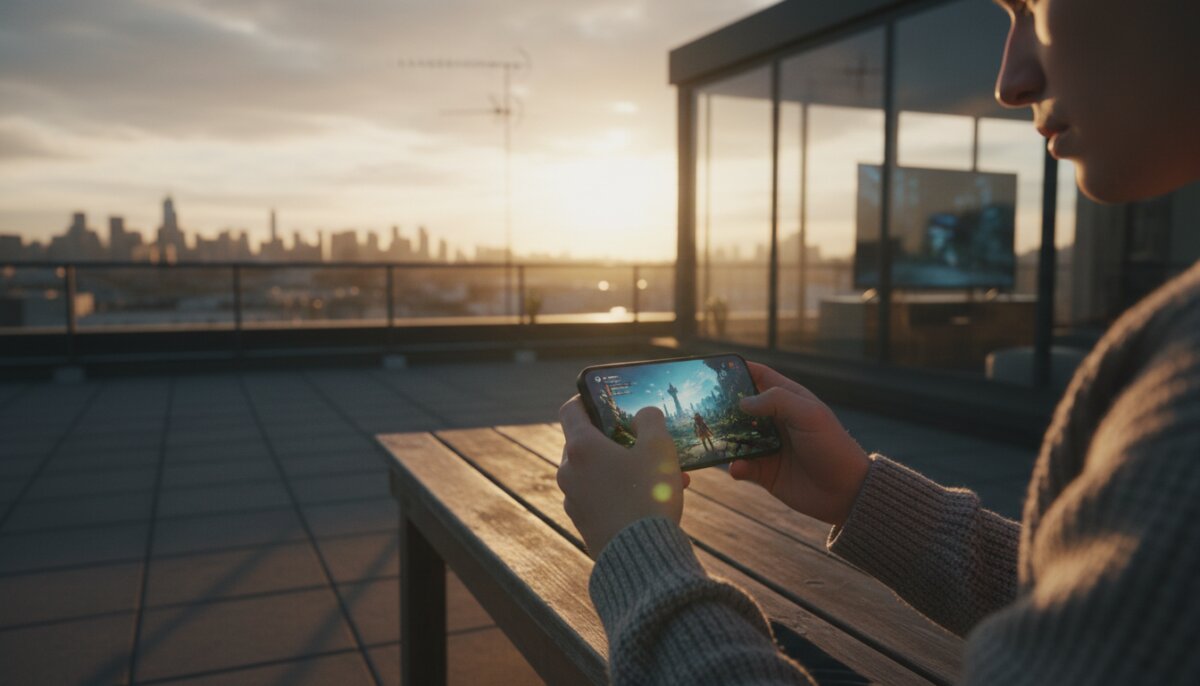
When miHoYo launched Genshin Impact in 2020, it did something few thought possible. It delivered a sprawling open-world action RPG with anime-inspired visuals, an orchestral soundtrack, and cross-platform play between phone, PC, and PlayStation — all for free.
Comparisons to Breath of the Wild were inevitable, and while the games differ in many ways, the ambition was clear: mobile could host the kind of experience previously reserved for dedicated gaming hardware. Your phone could now run something that looked and felt like a premium console release.
What Makes Genshin Different
Beyond the visuals, Genshin introduced many players to the gacha model — a system where you spend in-game currency (earned or purchased) for randomized character and weapon pulls. It’s controversial, but it funds continuous free content updates, new regions, and seasonal events.
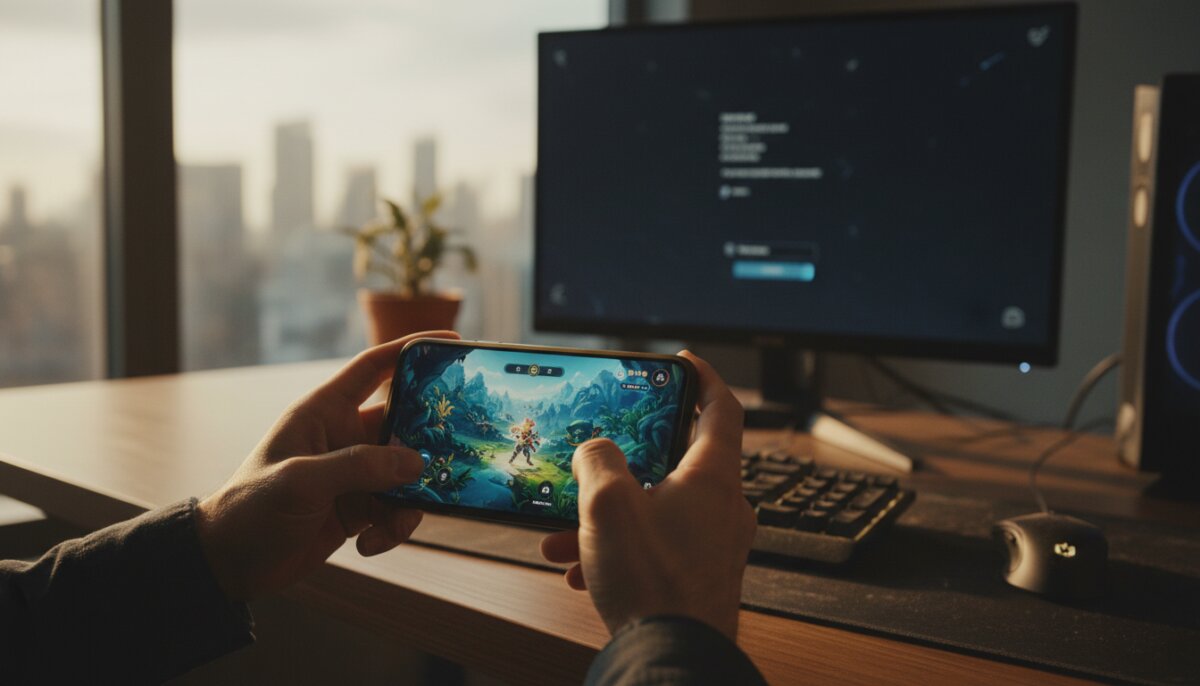
The game also demonstrated the power of cross-save progression. You could start a session on your phone during lunch, continue on PC at home, and finish on console that night without losing a step. That kind of flexibility reshaped expectations.
The Monetization Tug-of-War
One thing that’s evolved just as much as the games themselves is how they make money. Each era brought new approaches, each with trade-offs for players.
Pros and Cons of Modern Mobile Monetization
- Pros: You can play massive, beautifully produced games without paying a cent upfront
- Pros: Developers can fund ongoing content updates for years
- Pros: Lower barrier to entry brings more players into the hobby
- Cons: Gacha and loot box systems can encourage overspending
- Cons: Some games gate meaningful progress behind payments or long grinds
- Cons: Energy timers and daily chores can make gaming feel like a second job
Hardware and Infrastructure Caught Up
None of this would matter if the devices couldn’t keep up. Modern flagship phones pack processors that rival mid-range laptops, with GPUs capable of real-time shaders, dynamic lighting, and high frame rates. 120Hz displays, active cooling, and dedicated gaming phones all emerged to meet demand.
Network improvements mattered just as much. Widespread 4G and the rollout of 5G made real-time multiplayer smoother, and cloud gaming services started streaming console-grade titles directly to phones. The device in your hand is no longer the bottleneck it used to be.
Controller Support Changed Everything
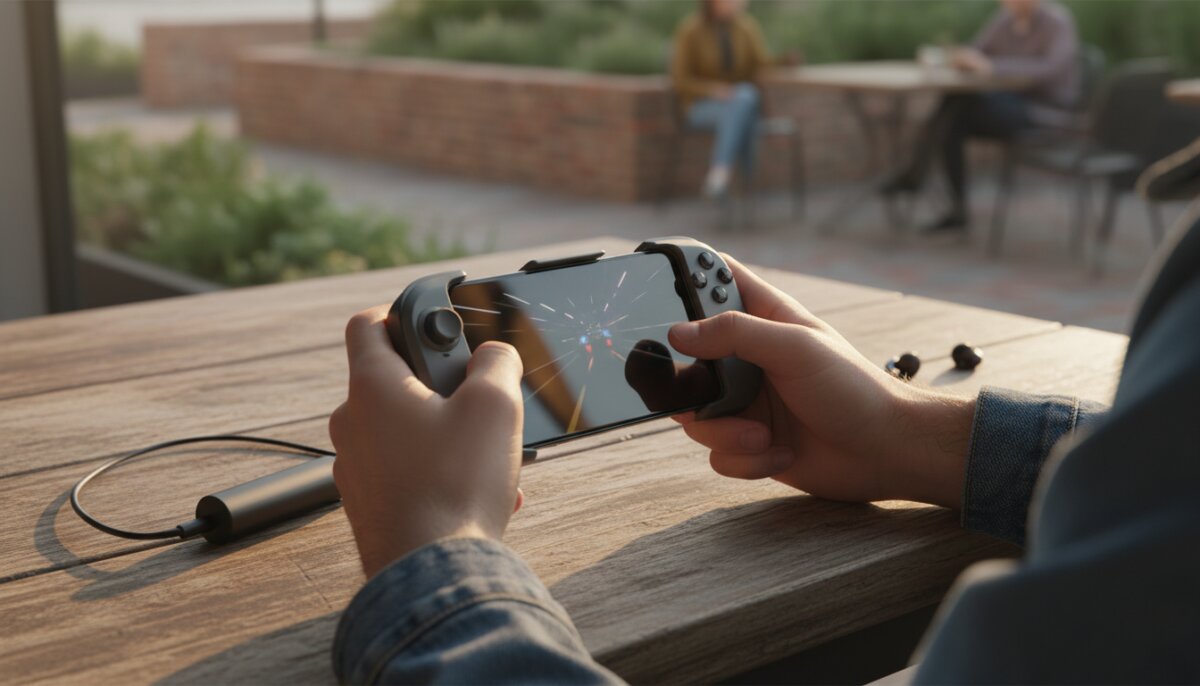
Touch controls have come a long way, but the mainstream acceptance of Bluetooth controllers — including official PlayStation and Xbox pads — opened the door to genres that never worked well on glass. Now you can play shooters, fighting games, and platformers with precision that rivals traditional setups.
Who’s Playing Now?
The audience for mobile games has broadened dramatically. It’s no longer just commuters killing time or parents playing during their kids’ soccer practice. Hardcore players, streamers, and competitive esports athletes all participate in the mobile ecosystem.
In regions like Southeast Asia, India, and Latin America, mobile is often the primary gaming platform. Tournaments for titles like Mobile Legends: Bang Bang and PUBG Mobile draw millions of viewers. The idea that “real” gaming only happens on consoles or PCs has quietly become outdated.
Key Shifts That Defined the Journey
- Free-to-play became the default, replacing premium purchases for most mainstream titles
- Session length expanded from three-minute puzzles to multi-hour adventures
- Visual fidelity exploded, with phones now running experiences that rival mid-gen consoles
- Cross-platform play erased barriers, letting one save file follow you everywhere
- Live service replaced finished products, with games evolving for years after launch
- Mobile esports became legitimate, with prize pools reaching millions
Tips for Getting the Most Out of Modern Mobile Games
If you’re returning to mobile gaming after a break, or looking to go deeper than casual puzzlers, a few habits can make the experience more enjoyable and less expensive.
- Set a monthly spending limit before you install any gacha or live-service game
- Invest in a Bluetooth controller if you play action or shooter titles regularly
- Enable battery-saving or performance modes depending on whether you prioritize sessions or fidelity
- Check cross-save support before committing — being locked to one device can be frustrating
- Take breaks from daily-login games if they start feeling like chores rather than fun
Where Mobile Gaming Goes From Here
The trajectory from Candy Crush to Genshin Impact shows mobile gaming doesn’t just follow trends — it sets them. Cloud streaming, AI-driven NPCs, AR integration, and even more ambitious open-world projects are already in development across major studios.
What started as a convenient way to pass time has grown into a platform that rivals — and in some ways exceeds — traditional gaming hardware in reach and innovation. The next big shift might come from a studio you’ve never heard of, working on something that redefines the medium all over again.
The Takeaway for Players
Your phone has quietly become one of the most capable gaming devices ever made. Whether you prefer three-minute match-three sessions, competitive shooters, or vast RPGs that pull you in for weeks, the library available to you is deeper and more diverse than anything the original App Store could have promised.
The evolution from Candy Crush to Genshin Impact isn’t really about one game replacing another — both still thrive, serving very different audiences. It’s about how much room mobile gaming has grown to cover. And if the past decade is any hint, the device in your pocket has plenty more surprises left.