Anúncios
Picture this: a teenager in Jakarta beats a world record on a handheld port of a classic platformer while riding a bus to school. Half a world away, someone in Brazil shaves two seconds off a Subway Surfers segment using a custom-built finger technique they learned from a Discord server with 40,000 members. This isn’t a hypothetical — it’s the quiet, hyper-dedicated world of mobile speedrunning, and it’s been growing in the shadows of the PC and console scenes for years.
Most people think speedrunning means a keyboard, a capture card, and a wall of monitors. But a whole generation of runners is proving that a phone in your pocket can be just as competitive — and in some cases, far more chaotic and interesting.
Anúncios
What Mobile Speedrunning Actually Looks Like
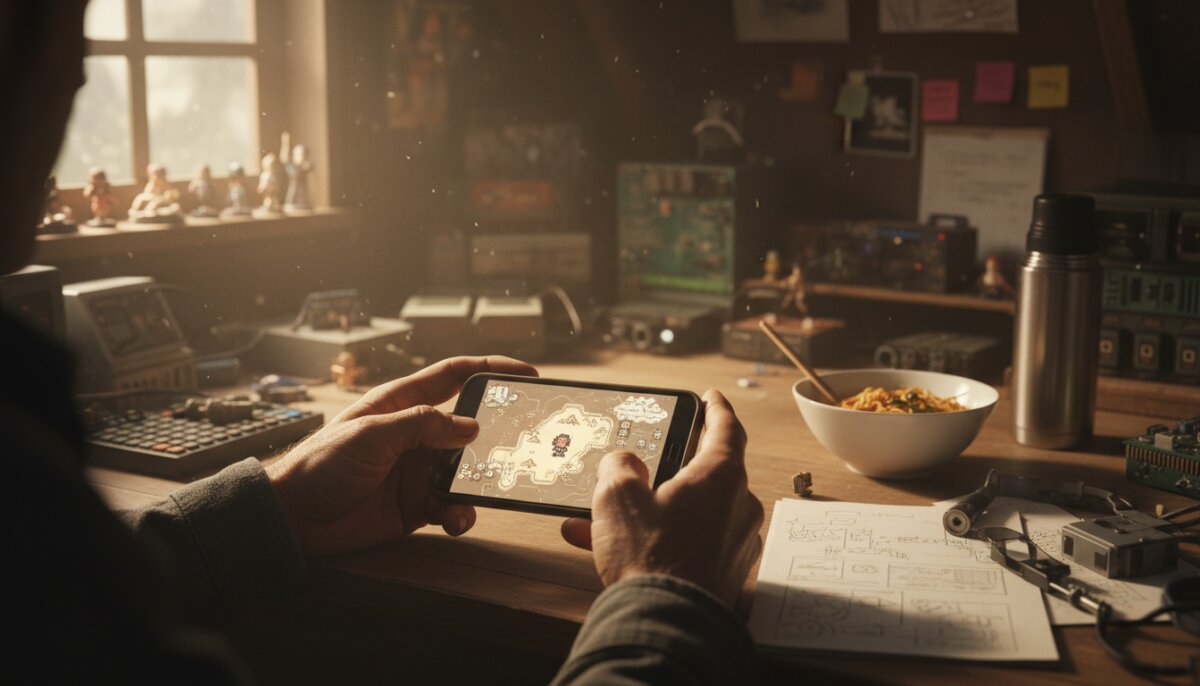
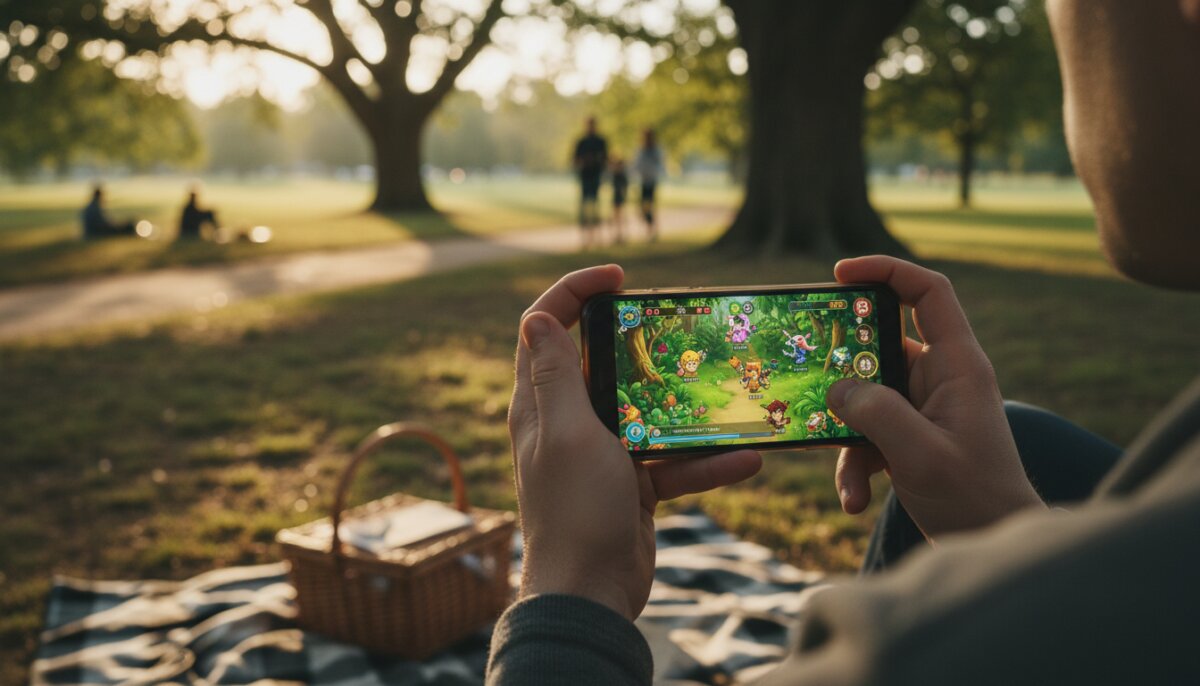
At its core, mobile speedrunning is exactly what it sounds like: beating a game (or a specific section of one) as fast as possible on a smartphone or tablet. But the format changes the entire texture of the hobby. You’re not pressing crisp mechanical keys — you’re tapping a sheet of glass, swiping across it, and sometimes rotating the device mid-run.
The games you’ll find runners obsessing over fall into a few distinct buckets. Some are mobile-native titles built around short, replayable loops. Others are ports of classic console games now playable on a touchscreen. A third group is mobile-specific versions of famous franchises that have their own unique glitches and routing.
The Games That Attract the Biggest Scenes
- Endless runners like Temple Run and Subway Surfers, where runs are timed to specific score thresholds or distance goals
- Puzzle games with clear completion states, like cut-the-rope styles or physics-based platformers
- Mobile ports of classic RPGs and platformers where console routing gets completely reworked for touch controls
- Hyper-casual games that became unexpectedly technical once competitive players started optimizing them
- Rhythm games, which blur the line between speedrun and high-score chase
Why It Stayed Underground for So Long
There’s a snobbery problem. For years, the broader speedrunning community treated mobile runs with suspicion, and sometimes outright dismissal. The reasoning usually came down to three complaints: touchscreens are imprecise, mobile games are “too simple,” and verification is harder because you can’t always capture clean footage.
Those concerns aren’t baseless, but they’ve been overstated. Modern phones can record gameplay natively at 60fps. Input overlays exist. And the idea that mobile games are “simple” falls apart the second you watch someone execute a frame-perfect swipe-and-tap combo in a game you assumed was just for killing time in waiting rooms.
The Verification Problem
Verification is the biggest hurdle. On PC, moderators can check input logs, load remover plugins, and sometimes even replay files. On mobile, you’re mostly relying on screen recordings and, ideally, a secondary camera showing the runner’s hands. Some communities require both. Others have built entire verification frameworks from scratch, complete with anti-cheat rules about emulators, rooted devices, and modified APKs.
The Hardware War Nobody Talks About
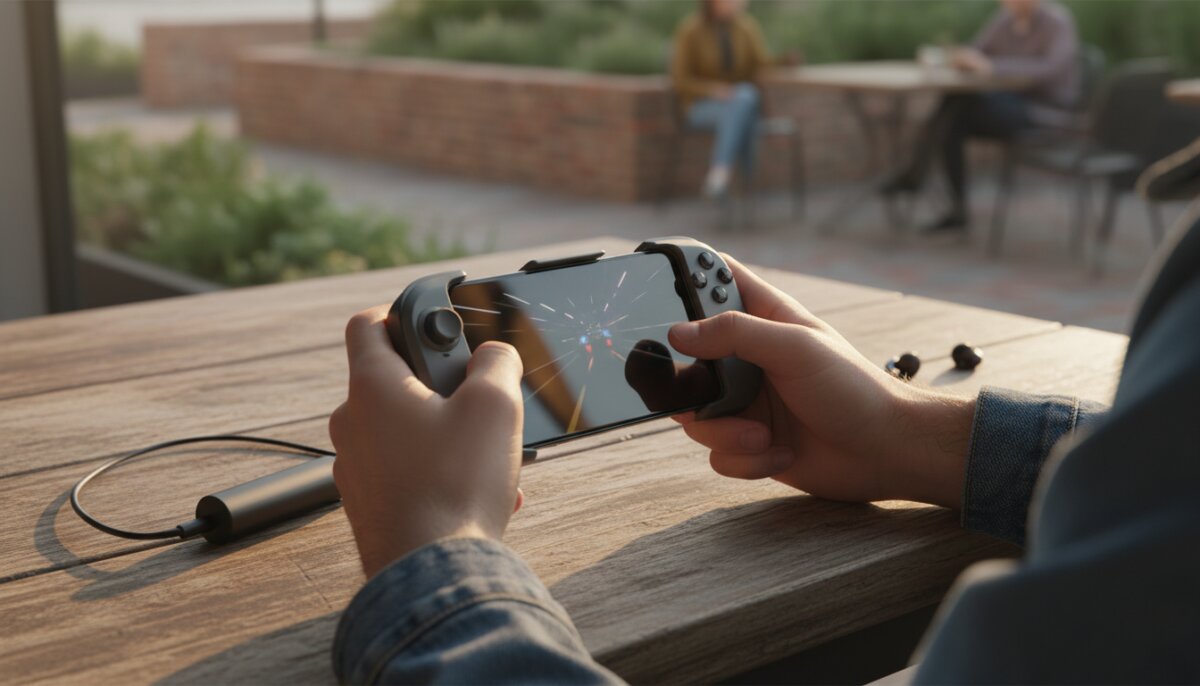
Here’s where things get weird. PC runners optimize their builds for framerate stability. Console runners argue about CRT delay versus modern monitors. Mobile runners? They argue about screen polling rates, finger sweat, and whether you should run in portrait or landscape for maximum thumb reach.
A serious mobile runner might own multiple devices just for different games. A phone with an aggressive touch sampling rate feels better for rhythm and reaction games. A tablet gives you more real estate for games where you need several fingers active at once. Some runners prefer older phones for specific titles because the loading times, oddly enough, favor a particular routing strategy.
Things Mobile Runners Actually Obsess Over
- Screen protector thickness and how it affects swipe responsiveness
- Battery level, since some phones throttle performance when below a certain percentage
- Background apps that might cause micro-stutters during a run
- Do Not Disturb settings to prevent a notification from ruining a 20-minute attempt
- Whether to play barefinger or with gaming gloves to reduce friction
The Communities Keeping It Alive
The scene lives almost entirely on Discord servers, private leaderboards, and the occasional niche forum. Some of the biggest communities have thousands of members but virtually no mainstream press coverage. They run weekly races, host tournaments with small cash prizes pulled from voluntary pools, and produce tutorial content that rivals any PC speedrun guide you’ve ever seen.
There’s a particular camaraderie in these spaces because the scene is small enough that everyone recognizes the top ten runners by name. New world records get celebrated with genuine excitement instead of getting buried in an algorithm. If you’ve ever wanted to feel like early internet subcultures again — the kind where niche passion outweighed clout — this is close.
Getting Started If You’re Curious
You don’t need anything fancy. The barrier to entry is lower than almost any other competitive gaming hobby. Here’s a practical starting sequence if you want to try it yourself:
- Pick a game you already play and enjoy — motivation beats strategy when you’re starting out
- Search for its speedrun community, usually through Discord or a dedicated leaderboard site
- Read the category rules carefully, because mobile categories often have strict device requirements
- Watch the current world record run three or four times before attempting anything
- Record your first runs even if they’re bad — you’ll want to compare your timing to the optimal route
- Join the community chat and ask questions; mobile scenes are famously welcoming to newcomers
Pros and Cons of Running on Mobile
Before you commit hundreds of hours, it’s worth being honest about what you’re signing up for.
The upsides: Your setup is always with you. You can practice in bed, on a train, or during a lunch break. The community is tight-knit. Records feel genuinely attainable because the talent pool is smaller than on PC.
The downsides: Finger cramps are real, especially in longer categories. Updates can destroy routes overnight when a developer patches a beloved glitch. Mainstream recognition is almost nonexistent, so don’t expect Games Done Quick to feature your run anytime soon. And the wear on your screen from thousands of repeated swipes in the same spot is not a myth.
The Techniques That Look Like Magic
Watch a top mobile runner long enough and you’ll see things that seem physically impossible. Multi-finger inputs where the thumb and index finger of the same hand work independently. Rapid rotations of the device to trigger a specific camera angle. Deliberate misinputs to cancel animations — a technique borrowed directly from fighting game tech but adapted for touchscreens.
One of the most fascinating techniques is what some communities call swipe buffering — starting a swipe gesture during one animation so it registers the instant the next one becomes available. It sounds small. In practice, it shaves tenths of a second off every transition, which adds up fast in a ten-minute run.
Where the Scene Might Go Next
The interesting question isn’t whether mobile speedrunning will survive — it already has. The real question is whether it breaks into the mainstream speedrunning conversation or stays intentionally underground.
There are arguments for both futures. Better recording tools and more powerful phones make high-quality submissions easier every year. At the same time, some veterans of the scene genuinely prefer the quiet. They don’t want their weird little corner of gaming to become a content farm. They like knowing everyone in the top 20. They like that a teenager with a three-year-old phone can still compete with someone running on flagship hardware.
Why This Scene Is Worth Paying Attention To
Mobile speedrunning represents something increasingly rare: a gaming subculture built on accessibility rather than expensive hardware or elite connections. The device you already own, the games you already have, and a community that’s happy to teach you — that’s the whole pitch.
If you’ve ever felt locked out of competitive gaming because you didn’t have a gaming PC, or you thought your daily commute killed any chance at a serious hobby, this scene flips both assumptions on their head. The glass screen you stare at for hours a day might actually be the start of something. All it takes is curiosity, a stopwatch, and the willingness to try one more run.